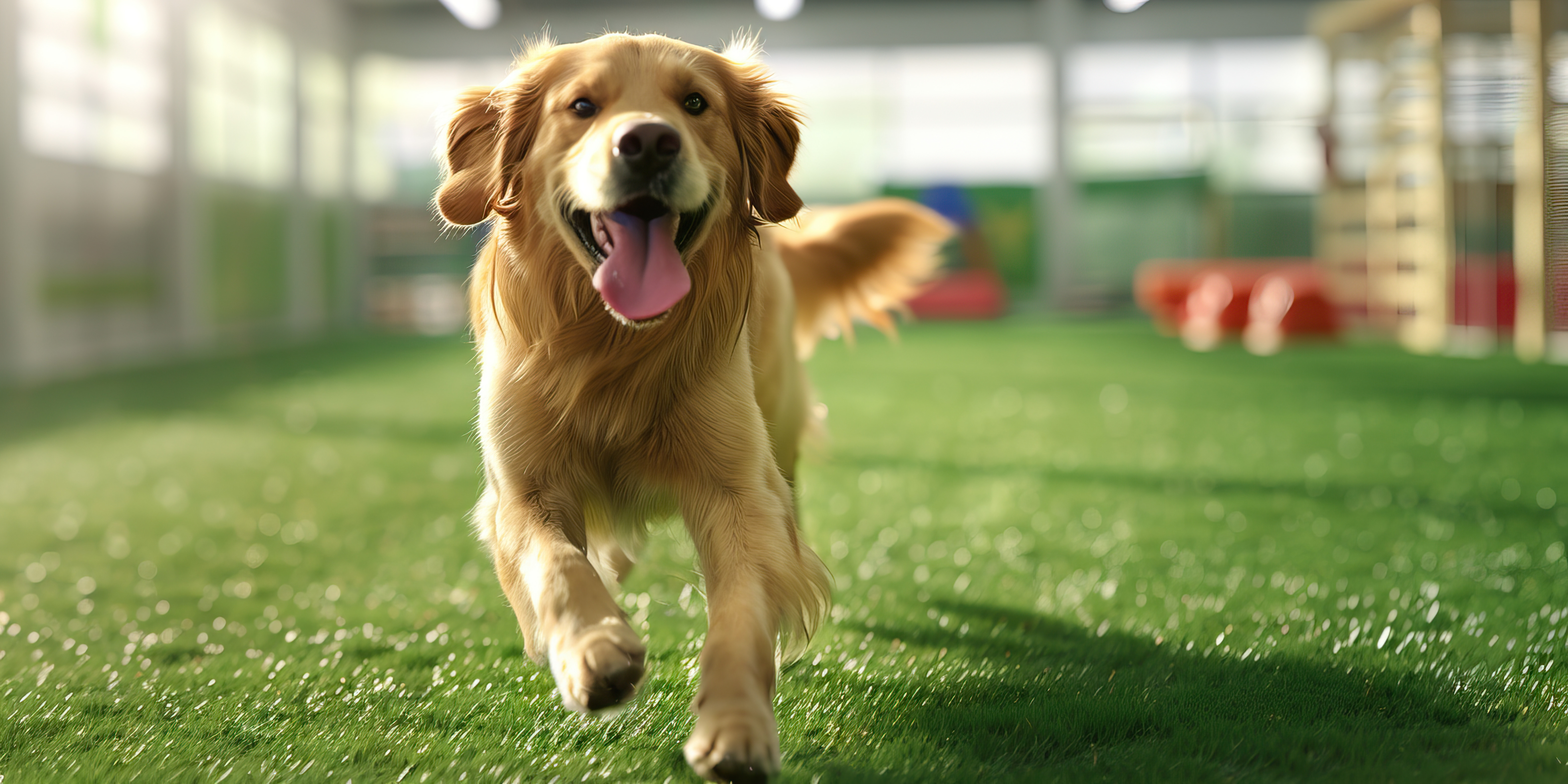
A self-regulated dog makes natural nervous system adjustments to changing environmental stimuli. When environmental cues fall within a dog's emotional safe zone, the parasympathetic nervous system signals the body and brain that it's safe to eat, play, rest, explore, and engage socially.
Yet, the dog's automatic survival mechanism stands ready to react instantly to perceived danger. The sympathetic nervous system mobilizes the dog to act in self-defense or to escape to safety. Fight-or-flight reactions happen automatically and without prior conscious thought.
Nature intends survival reactions to be quick and temporary. The physical body can't withstand prolonged survival stress without serious health consequences. When activated, the sympathetic survival mechanism diverts the body's energy resources to mobilization for defense and escape. Energy resources of the immune, digestive, and cognitive systems are diverted to the animal's survival responses.
Routinely experiencing survival stress affects a dog's healthy immune responses and normal gut function adversely. Also, chronic stress can lead to helplessness, depression, and hypervigilance.
If you're caring for a dog that frequently experiences stress responses, especially if the dog perceives danger where none exists, you may find yourself feeling as stressed as your dog. But before you lose hope, let's examine how a few tiny changes in your approach can start producing much better results.
Many caregivers are desperate to end their dog's unwanted behaviors. So they try tips, tricks, and tactics that promise to quickly fix their own desperation without addressing the dog's distress. But this method solves the wrong problem, and so the real problem persists.
According to the principle of Occam's Razor, when a task is complicated by multiple options, the simplest solution is probably the best. To put it another way, if you hear hoofbeats, don't think "zebra" because it's probably a horse.
Seeking the simple solution first helps rule out "zebra" assumptions to explain or extinguish your dog's anxious behaviors. Unfortunately, too many caregivers insist on hunting for "zebras" while ignoring the horse in front of them!
This is a short list of proven and powerful simple solutions that are consistently practiced inside my caregiver programs with great success:
Regulate yourself first. Your dog's nervous system is always attuned to and mirroring your emotional energy. Acting calm when you don't feel calm will not deceive your dog about your true feelings. Practice grounding, centering, and relaxing your body, and your mind will follow. No one can convince their mind to relax if their body is tense. Breathe slowly, release the tension in your muscles.
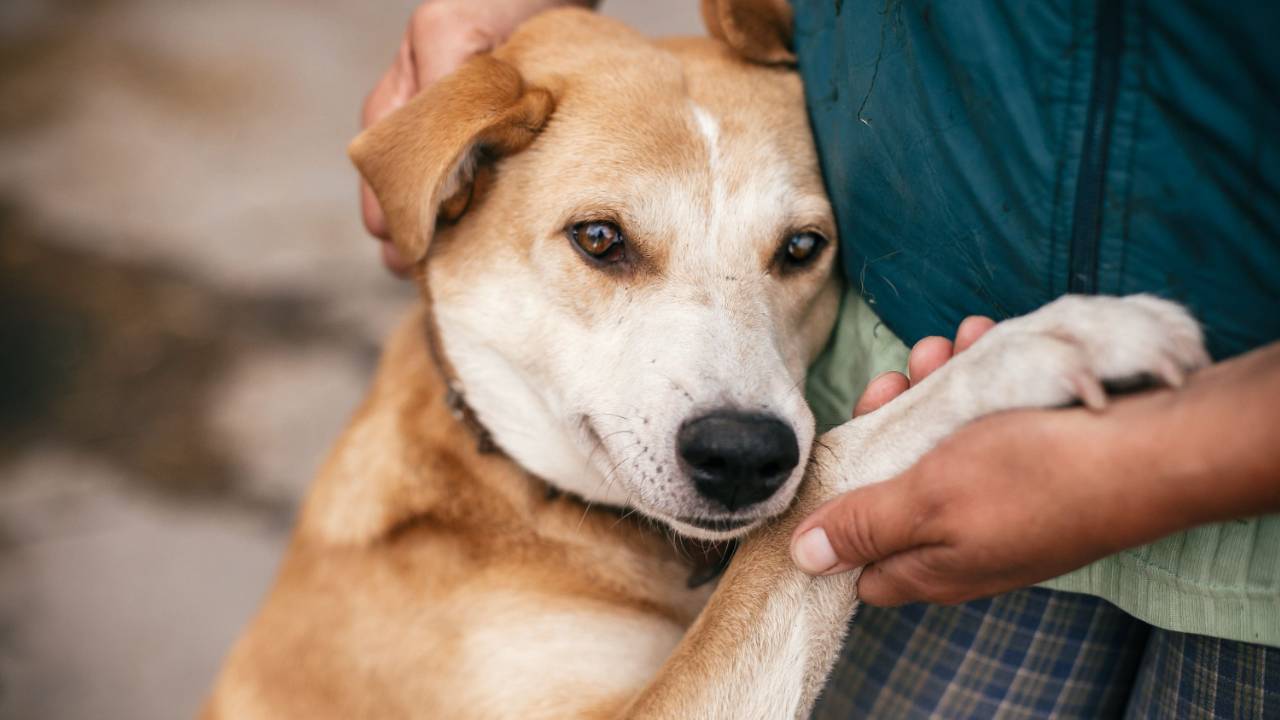
Acknowledge your dog's emotional reality. Your dog is struggling with feelings that trouble, frighten, and confuse them. The behavior you see is a true expression of the dog's internal turmoil that you don't see...unless you pay attention. Trying to stop the behavior is like telling your dog to stop asking for help! Your upset dog needs to be seen, heard, and understood. Speak to your dog without judgment so they know you understand.
Create a safe space. After regulating yourself and acknowledging your dog, your most important caregiver responsibility is to hold space for your dog to experience a felt sense of safety. Feeling deeply safe and protected from harm is the top prerequisite for releasing fear. This can only happen in a relationship built on mutual trust. Your dog's trust is fragile, but when you regulate yourself, you can mirror confidence for your dog.
When you compassionately acknowledge your dog's feelings, you can heal the root cause of stress behavior. When you heal the root cause, the behavior goes away because the dog no longer needs it.


Responses