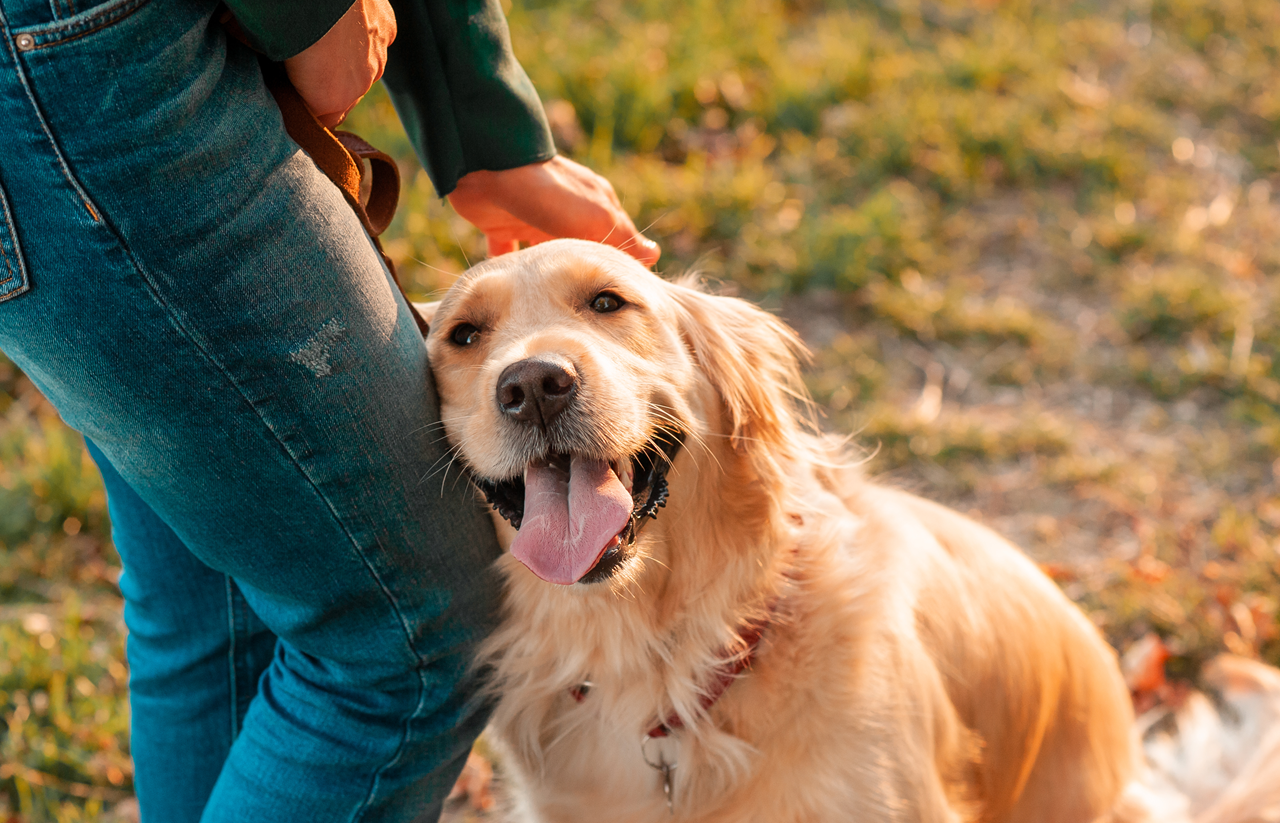
A Riddle: "What came first, the chicken or the egg?"
When you feel stressed about your dog's anxiety, whose stress came first? Many would say the dog's stress happens first...But does it really?
Of course, it's not that simple. You and your dog have a dynamic relationship and constantly influence each other. You co-regulate each other's emotions, even when your thoughts are elsewhere.
Co-regulation isn't about thoughts... It's about blending the rhythms of your emotional energies. Your dog senses your energetic state even before you're aware of inner physiological changes.
...................................
Remember, as a subscriber, you're invited to attend weekly live group coaching calls. It's a unique opportunity to get real-time support for any concern about your dog, big or small. Watch your email every Friday for the link to join live or watch replays.
..................................
If you're someone who dreads walking your dog because you anticipate the inevitable stress of the walk, what sparks that feeling of dread?
Is it:
⚠️When the dog overreacts during your walk?
⚠️When you step out the door?
⚠️When you realize it's time for a walk?
⚠️When you reach for the leash?
Or is it when you anticipate another bad experience, visualizing a repetition of past bad experiences?
Chronically anxious dogs are easily startled and slow to recover. You and your dog share each other's anticipatory dread in a continuous feedback loop. When you see your dog's behavior through the lens of co-regulation, as a continuous emotional loop without a start or finish, it's no longer a chicken or egg question.
That's important because co-regulation isn't linear; it automatically repeats like your breathing and heartbeat. If you've ever blamed yourself, believing your stress caused your dog's stress...or if you blamed your dog for your stress...neither is accurate.
You and your dog are in a constant exchange of physiological sensations. Stress is felt first in the body with automatic biological changes designed for survival. Muscle tension, headache, butterflies, gut punch, heartache.
Managing your physical stress responses helps your dog manage theirs. The process is simple, but not easy. First, focus your awareness on how your physical body feels without self-judgment. Trying to think your way out of stress will make it worse.
⭐Bring full awareness to your breath.
⭐Observe your breath without trying to change anything. Slow or fast? Shallow or deep?
⭐As you observe, notice if any change occurs effortlessly.
Even the smallest change can interrupt your stress loop and alter your energetic connection to your dog.
Your dog's recovery from anxiety depends on attachment to their emotional support person: you! When you care for your emotional well-being, you also care for your dog's.

Responses