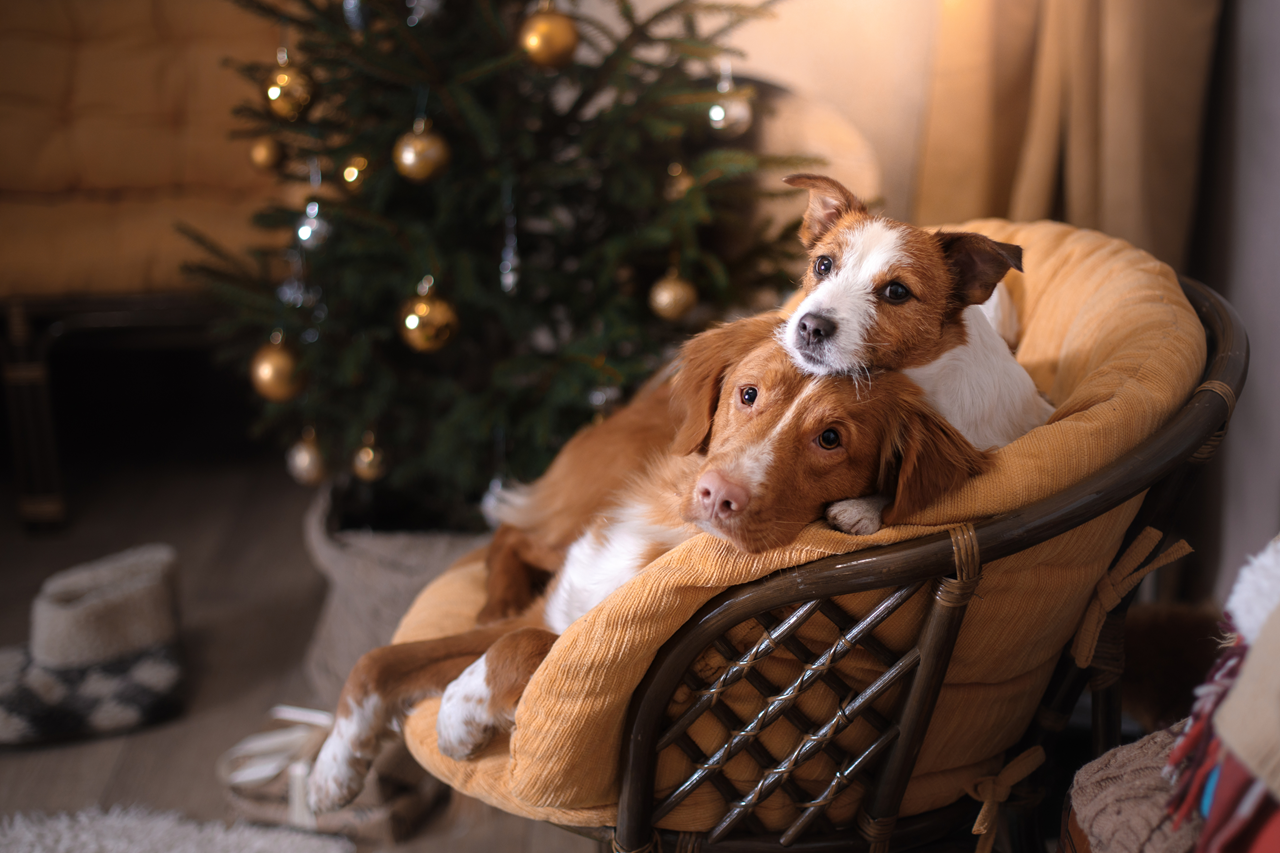
If you're caring for a sensitive dog, three areas that need your increased awareness during the Christmas Season are:
- Noise,
- Novelty, and
- Routine
Noise
Dogs hear sounds at a higher frequency and from a greater distance than human hearing is capable of. So don't be surprised when your dogs alert to sounds that you don't hear.
Dogs attach meanings to sounds they remember and recognize.
>the school bus, still blocks away, signaling the kids are almost home.
>A rabbit in the woods.
>The bag of treats being opened.
However, if a familiar noise triggers a fearful memory, the nervous system will automatically activate a fight/flight stress response. Unfamiliar noises can also produce a stress response, especially if the noise is too loud for too long and doesn't have a context that the dog recognizes. An example typical of the Christmas Season is a loud and boisterous holiday gathering.
Fireworks are also a trigger for many dogs. They're sudden, unpredictable, and confusing. Noise-sensitive dogs experience panic, a fight/flight stress response. It's important to keep the dog in a secure part of your home as far from the noise as you can manage.
Watch for signs that your dog is approaching overwhelm and take steps at the first sign of stress. Give your dog relief in the form of a quiet place to escape the noise and regain an inner sense of safety. Don't force a solution that makes the dog's anxiety worse by telling visitors to give the dog treats or to express affection that the dog does not consent to.
Novelty
Anxiety causes dogs to become pessimistic, meaning they are more likely to avoid novelty because they believe new things are dangerous instead of approaching new things with curiosity. They anticipate bad outcomes whenever they experience changes.
The reason for their pessimism is possibly due to earlier adverse experiences that are triggered by new and unexpected events in the present.
When they're overwhelmed by novelty, sensitive dogs lose their inner sense of safety. Restoring that felt sense of safety is the essential first step in bringing relief to their stressed nervous systems. Accomplish this by creating safe sensory experiences, NOT by pressuring them to perform meaningless tasks.
Behavior modification is the wrong tool for overwhelmed and sensitive dogs because it forces an ineffective and potentially harmful solution on a dog already in a fragile neurological state.
Simple solutions are often best:
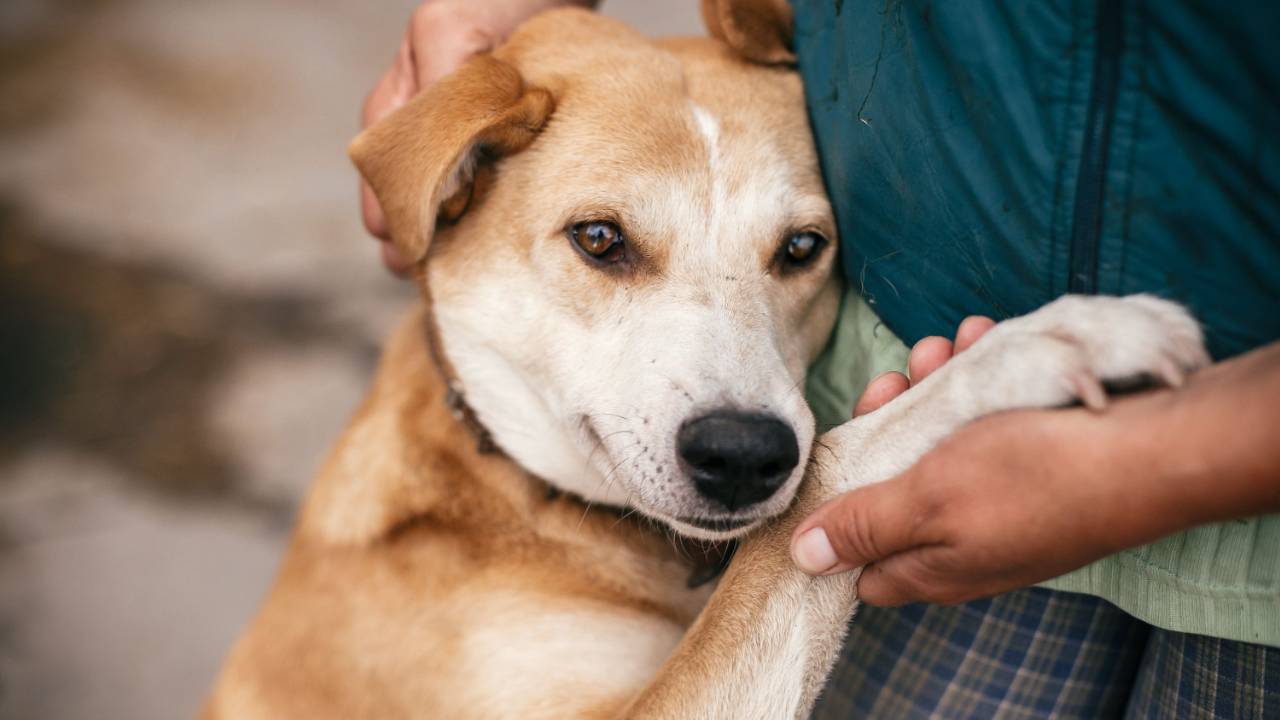
- Acknowledge the dog's true feelings without trying to change them.
- Be present with compassionate support.
- Speak gently while you wait for the dog to bounce back to safety.
- Accommodate the dog's need for space, mobility, and sensation.
Mistakes to avoid:
- Telling the dog it's OK when he believes it isn't.
- Giving the dog commands to perform tasks like sit or look at something.
- Forcing the behavior to stop.
- Scolding, punishing, correcting, or directing any aversive action at the dog.
Routine
Predictable routines create a sense of safety because knowing what to expect eliminates the need to stay alert for the unexpected. It conserves energy by allowing relaxation and rest.
The Christmas Season disrupts routine and injects the unexpected into everyday life. Anxious and sensitive dogs may struggle to adapt to a series of changes that pile up too quickly and last too long. There's not enough recovery time between stress responses. Protecting your dog from feeling overwhelmed in these circumstances can be difficult.
Look for opportunities to preserve small routines that help to anchor your dog's nervous system in familiarity and safety. Keep mealtime and bedtime routines unchanged, for example.
Leverage the positive energy of your voice to prepare your dog for routine changes. Describe, narrate, explain, and show your dog what to expect. Speak as if your dog comprehended your meaning; your words convey the energy of truth. Dogs are continuously attuned to the quality of the energy in their environment.

Responses