
The problem is that reactivity and training don't belong in the same sentence.
Dog training is promoted as the way to "fix" broken dogs and to keep them under control. When dogs do things people don't like, the assumption is that the dog "needs more training", a firmer hand, stronger discipline...as long as it's called "positive reinforcement," it's okay.
Reactivity, on the other hand, is a broad term used to describe external behavior resulting from severe internal emotional stress. The cause of the dog's reactive behavior is the activation of the autonomic nervous system in response to perceived danger or threat to life.
The key is the dog's internal perception of danger, not necessarily what other dogs or even people perceive. When internal perception changes, behavior changes. Training external behavior to change internal feelings is getting things backwards.
The fight or flight survival response is automatically triggered by a sensation: what the dog sees, hears, smells, etc. A survival response doesn't come from a thought, a choice, or conscious awareness. It's an automatic mechanism that happens instantly, just like pulling your hand off a hot stove.
Fight/Flight Survival responses originate in the most primitive part of the brain. When this part of the brain is active, it overrides thinking and reasoning. In fact, the survival brain doesn't process language (your words) or emotion (your feelings), so your verbal messages during a reactive episode aren't received! That channel is temporarily closed.
Today, pet dogs are experiencing a worldwide epidemic of chronic anxiety that's harming their physical and mental health. So, it's no surprise that the training industry now promises to "fix" the problem as if it were another behavior problem that you can change with training.
One "reactivity training" program being promoted by a well-known publication promises you can remedy reactivity by teaching your dog to come when you call.
But wait! Remember, neuroscience teaches that when a nervous system is in survival mode, it can't process spoken language. So why do training programs make promises like that?
Behavior training has a specific purpose, but it was never designed to address anxiety or create a deeply felt sense of safety. The dog industry is struggling to update its systems by including trauma-informed approaches that do no harm. But most training programs still operate within the behavior modification container and treat anxiety as a behavior choice instead of a survival response.
Until there's a massive shift in understanding dogs, too many well-intentioned caregivers will be convinced to "train the anxiety out" of their sensitive dogs.
For years, my trauma-informed approach to sensitivity and anxiety has started with an honest acknowledgement of what the dog is truly feeling.
Without judgment.
Without directions or instructions.
Just the comfort of presence and understanding.
Nervous systems crave attunement and belonging. Healing chronically anxious dogs requires humans to stop fixing their dogs and start expressing empathy and taking compassionate action.
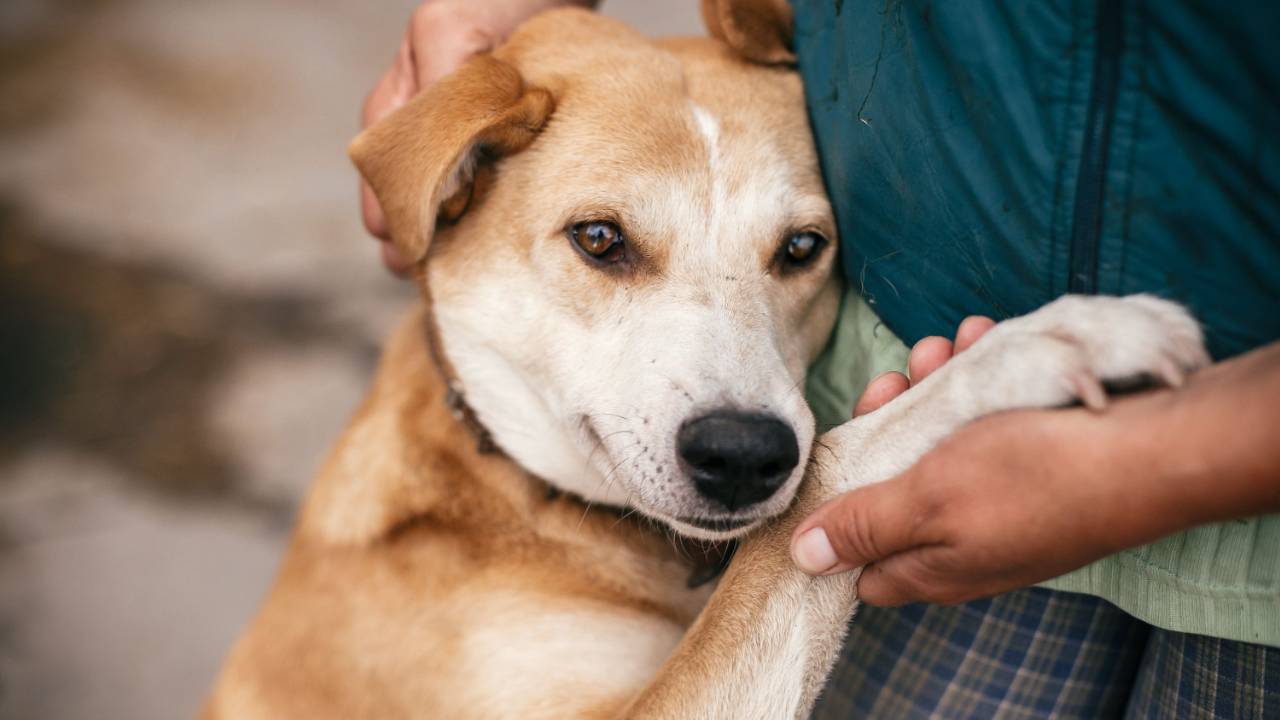
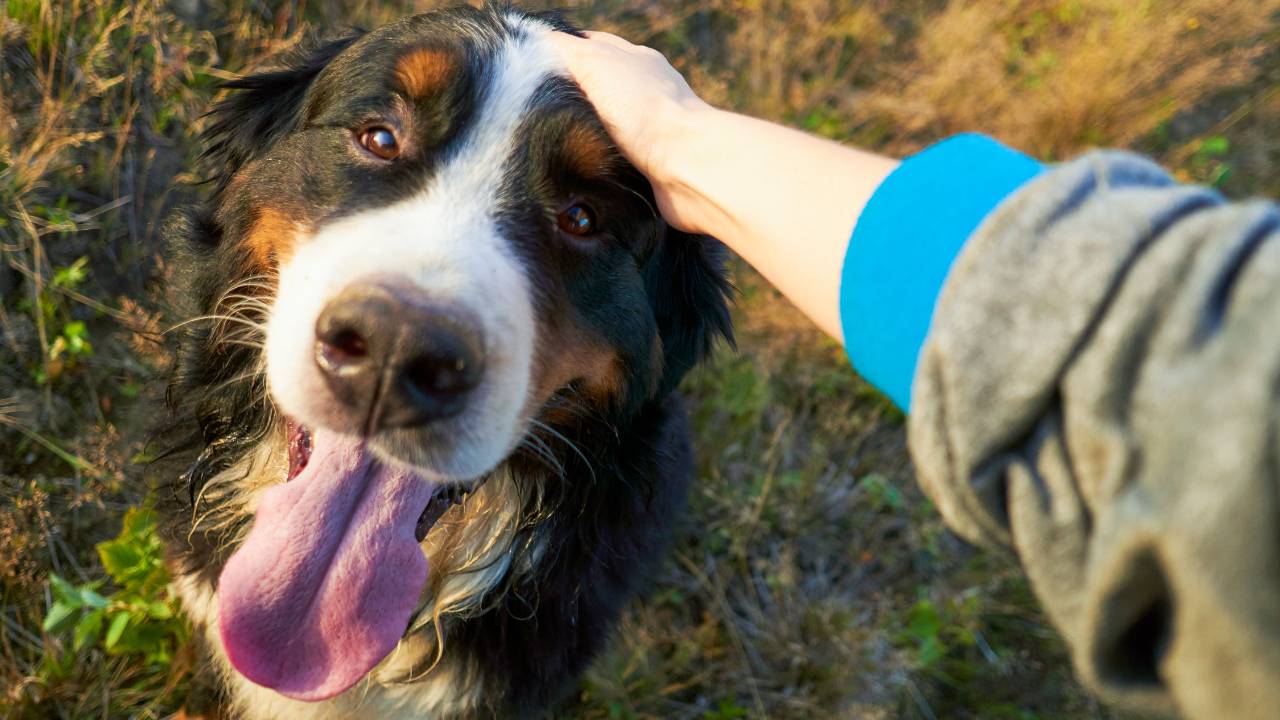
From a place of empathy and compassion, what feelings do you recognize in the two dogs pictured? Are the feelings expressed by the dog and the person the same or different in each picture?


Remember, your subscription includes live group coaching every Friday at 3 PM Eastern. Share your thoughts and concerns in a caring and supportive space.
Check out the recordings of previous calls:
|



Responses