Dogs are always communicating with us. We can get better at understanding their language. It starts with closer observation.
What do you see in these photos?
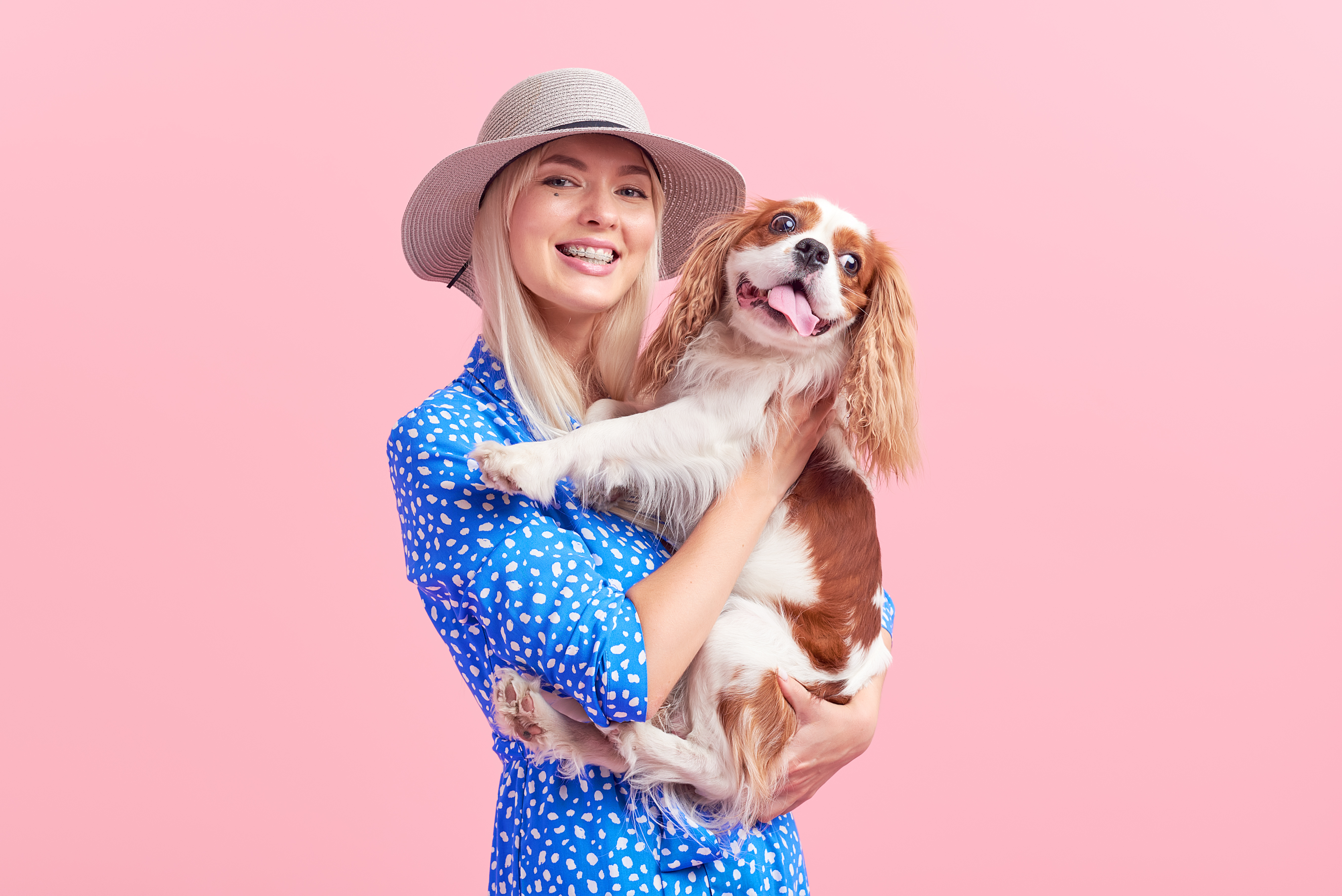
The dog in the photo is stressed. Eyes are wide and looking away from the woman. Corners of the mouth are pulled back and the tongue is extended and wide. There are frown lines in the brow. Legs are stiff and tense and the dog is leaning away from the woman.
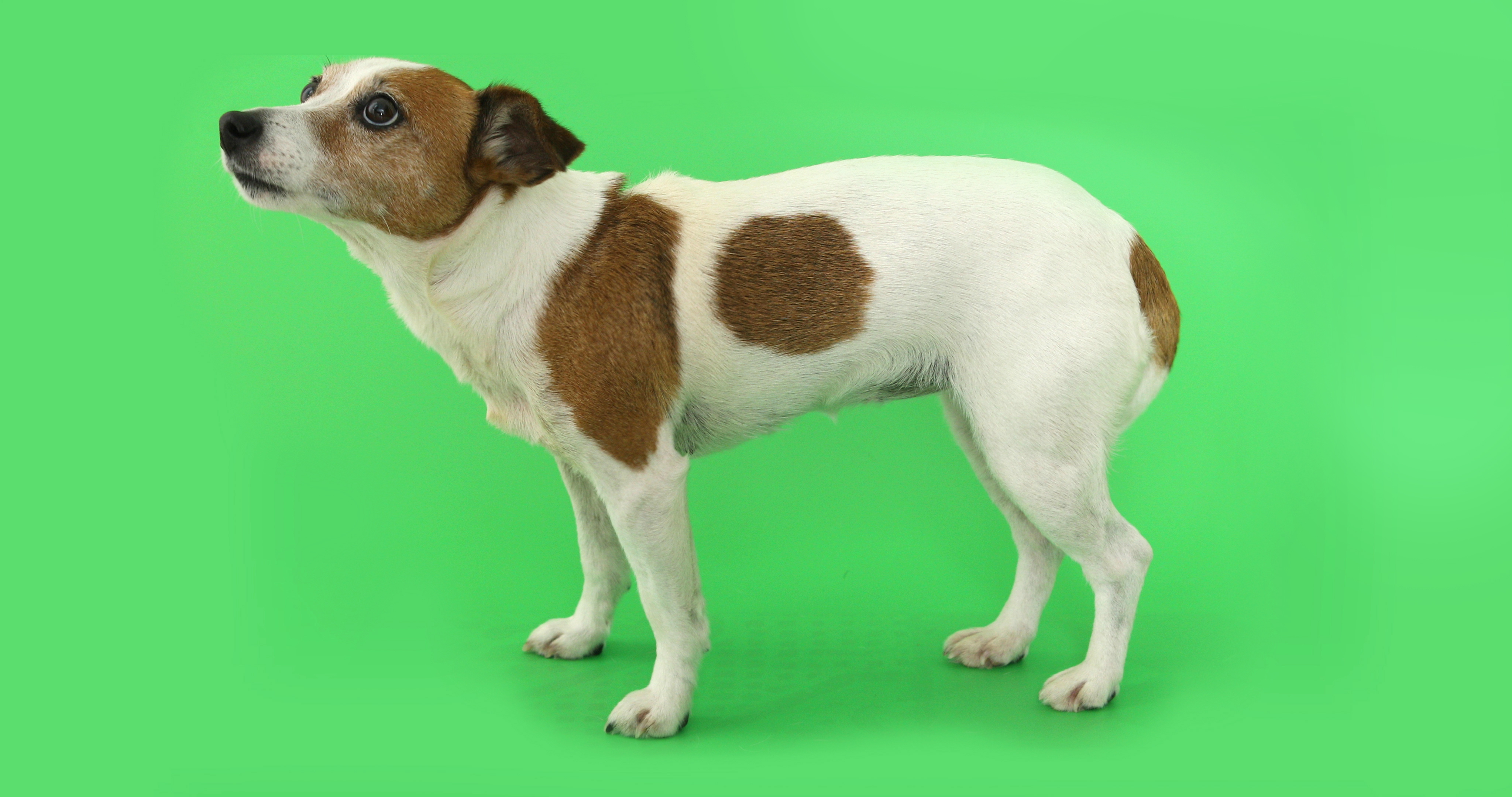
This dog is anxious and defensive. Tail tucked and back arched. Legs planted and stiff. Ears folded back eyes staring and fixed. Mouth closed and corners forward. Tension in the face. Maybe ready to growl a warning.
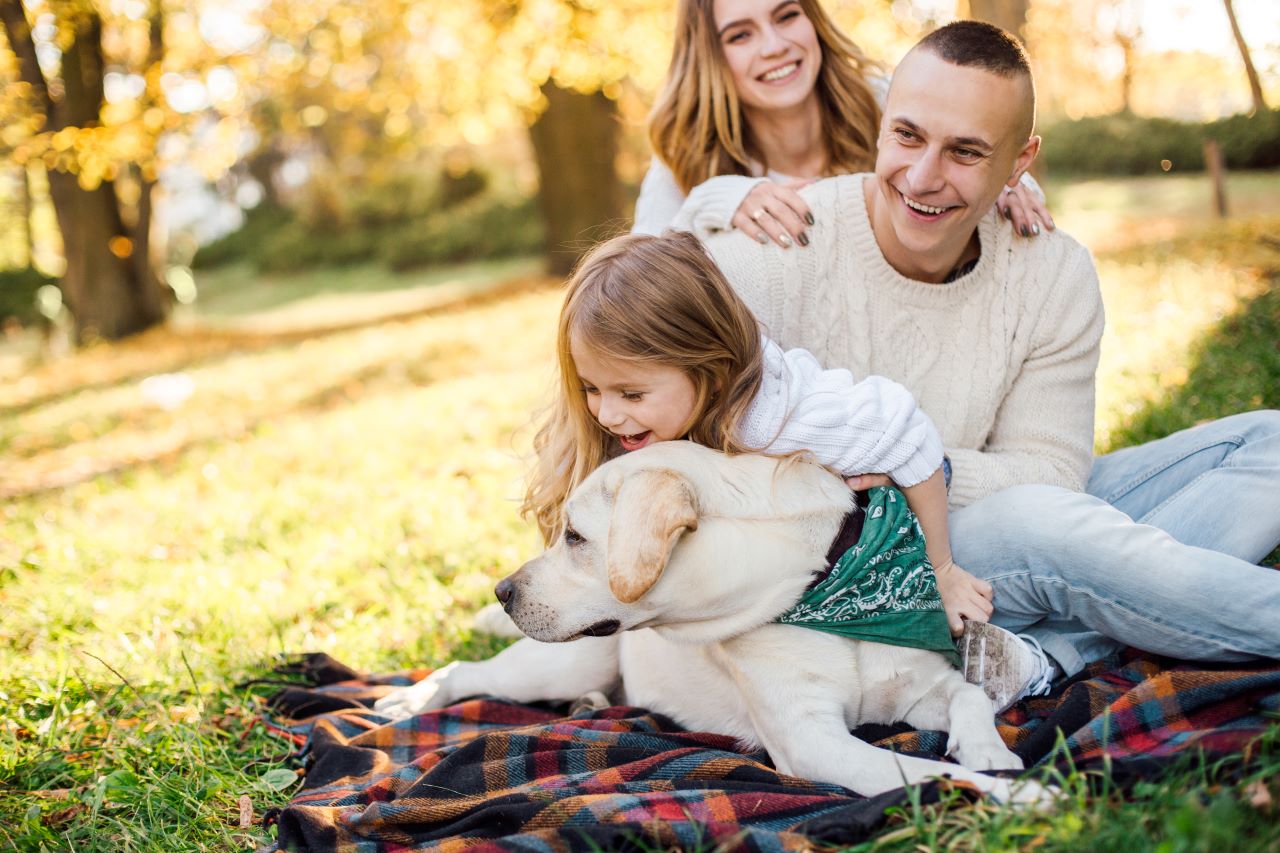
The people are enjoying the moment but the dog is not. He's looking away, mouth closed, and leaning away from the people. Tension around the ears and eyes.
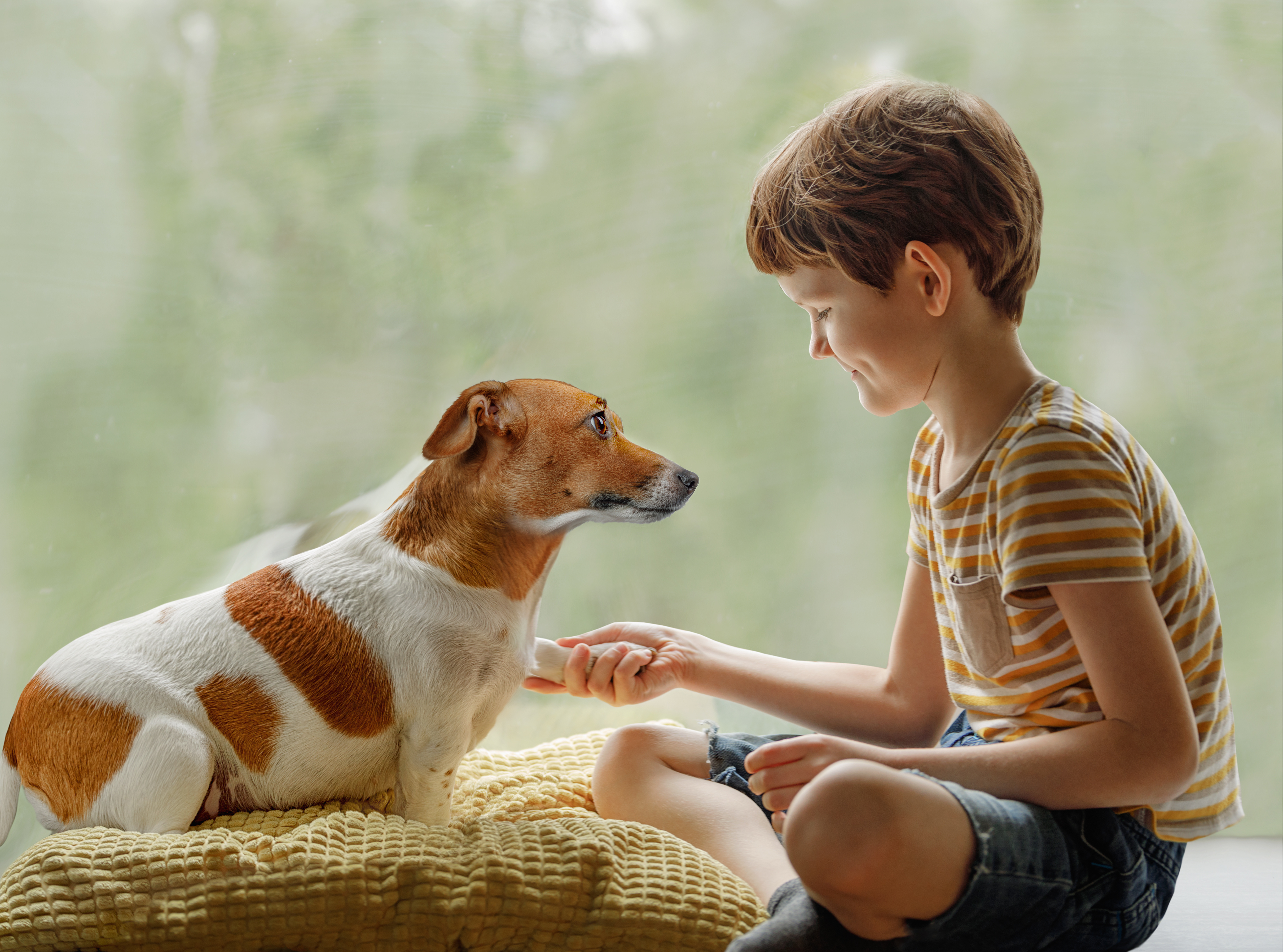
Notice the different expressions. The boy looks like he's smiling. The dog's ears are back and flattened, eyes wide and tense, body contracting away from the boy. The dog's mouth is closed and facial muscles are tense.
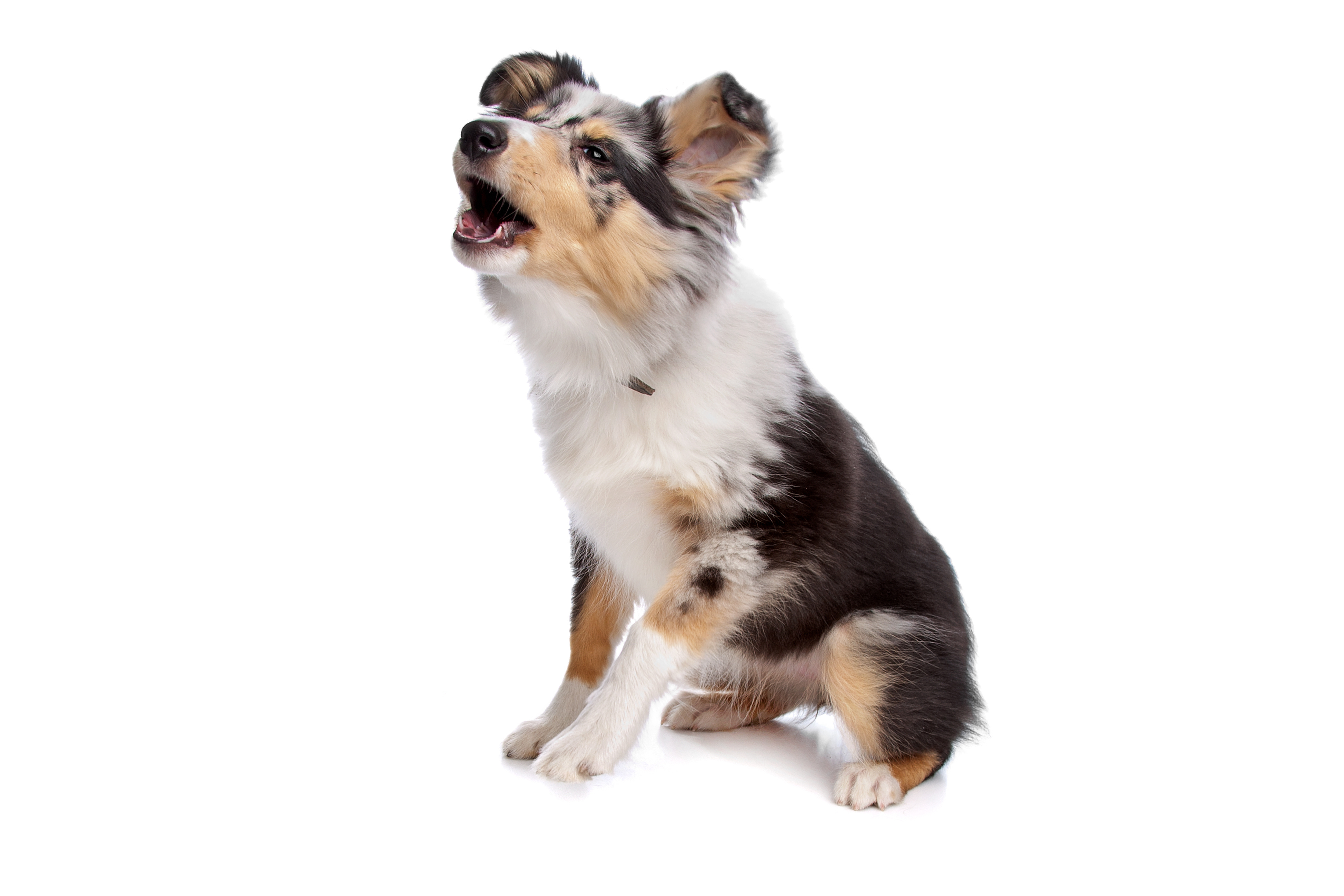
Barking with a wide mouth, corners pulled forward, ears to the side, squinting, one paw lifted, body contracted and tense. This dog is frightened and defensive.
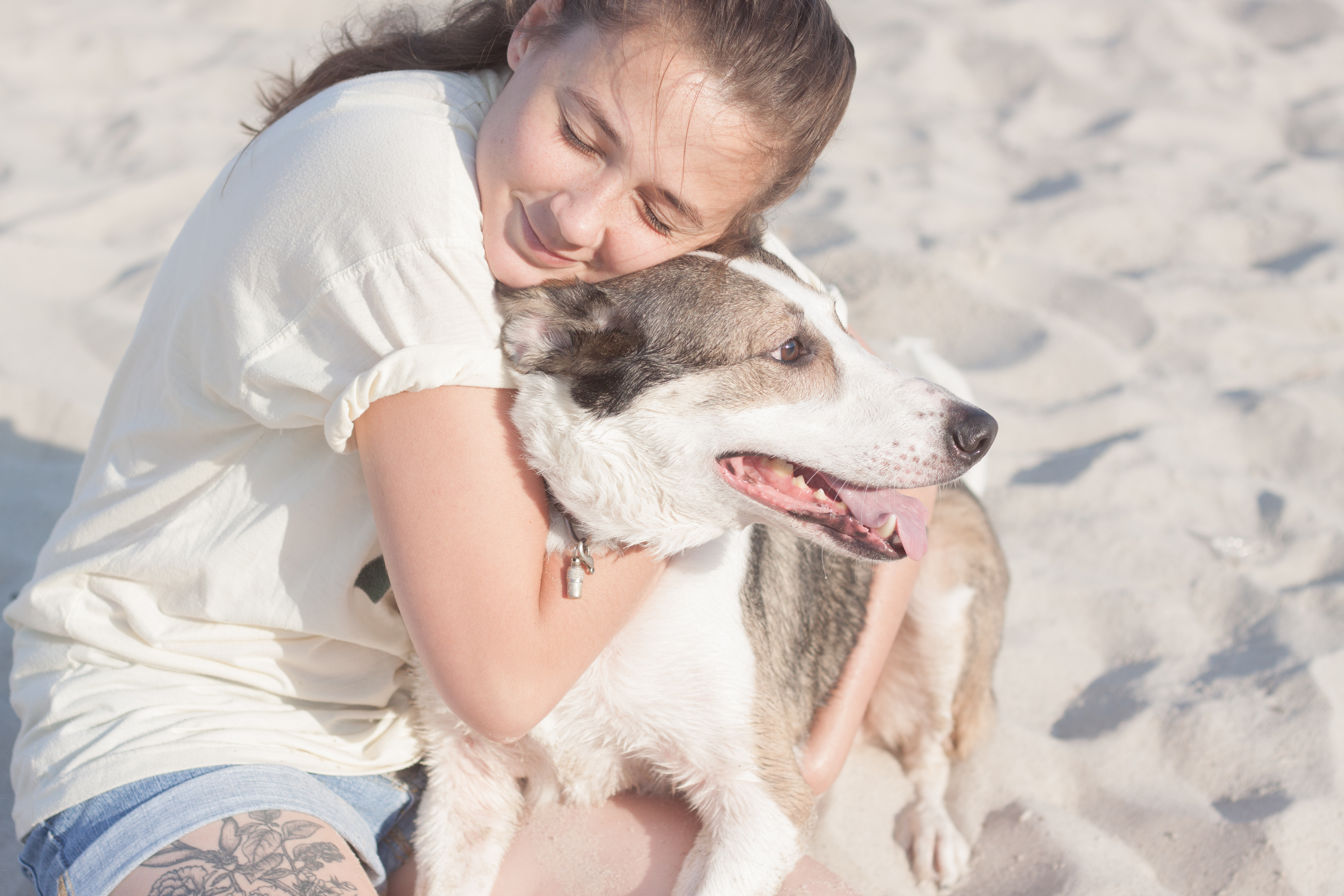
Note the contrast in expressions. As a rule, dogs do not enjoy being hugged unless they ask for it. This dog is looking away, ears are back, corners of the mouth are back, and there's tension around the eyes. The dog is an unwilling but compliant participant.
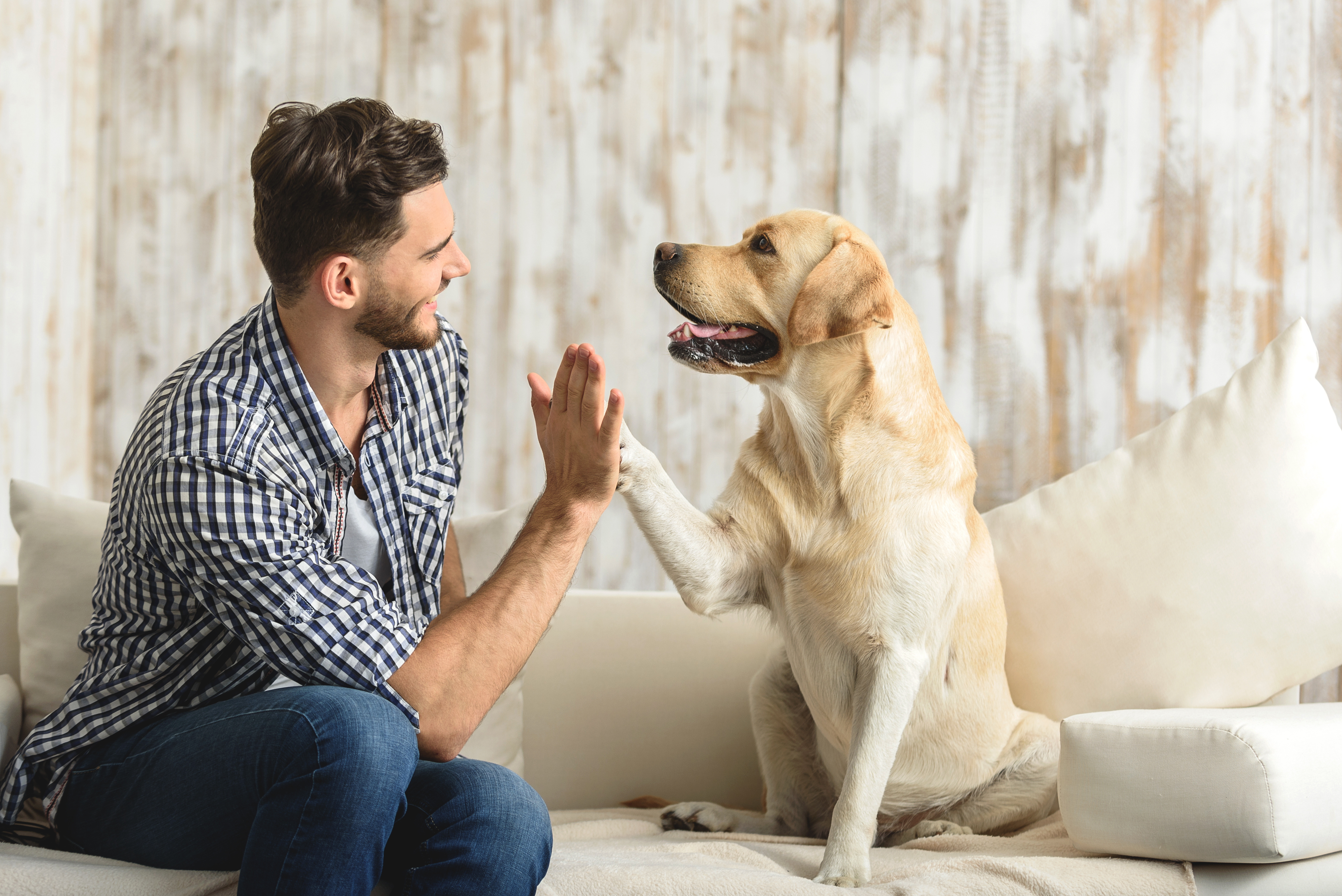
In this photo, you can see a meaningful connection between the dog and the man. There's unconditional acceptance of each other. The dog's body is relaxed and his eyes, ears, and mouth are directed to the man without signs of tension. And the man's body language mirrors the dog's. The dog is not restrained in any way and he's leaning toward the man.
**********************
Some body language signals in the photos are easy to see but some are more subtle. The more you observe dogs with curiosity and without judgment, the more precise and fluent you'll become. You'll enjoy a deeper and more meaningful relationship because your dog will trust you to understand and meet his needs.
Trust brings a sense of peace and calm.
What signals do you notice in your dog? When he's relaxed, what do his eyes, ears, mouth, back, tail, facial muscles, and body muscles look like? How do these signals change when he's alert, afraid, excited, and playful?
Reading body language requires observing the whole dog as well as the circumstances. You need to read the complete "sentence" and not just one or two "words" to get the meaning. Signals, like words, mean different things in different situations.
It's learning a new language and it takes time and practice.

Responses