Protect the well-being of sensitive dogs so they can feel safer and less afraid.
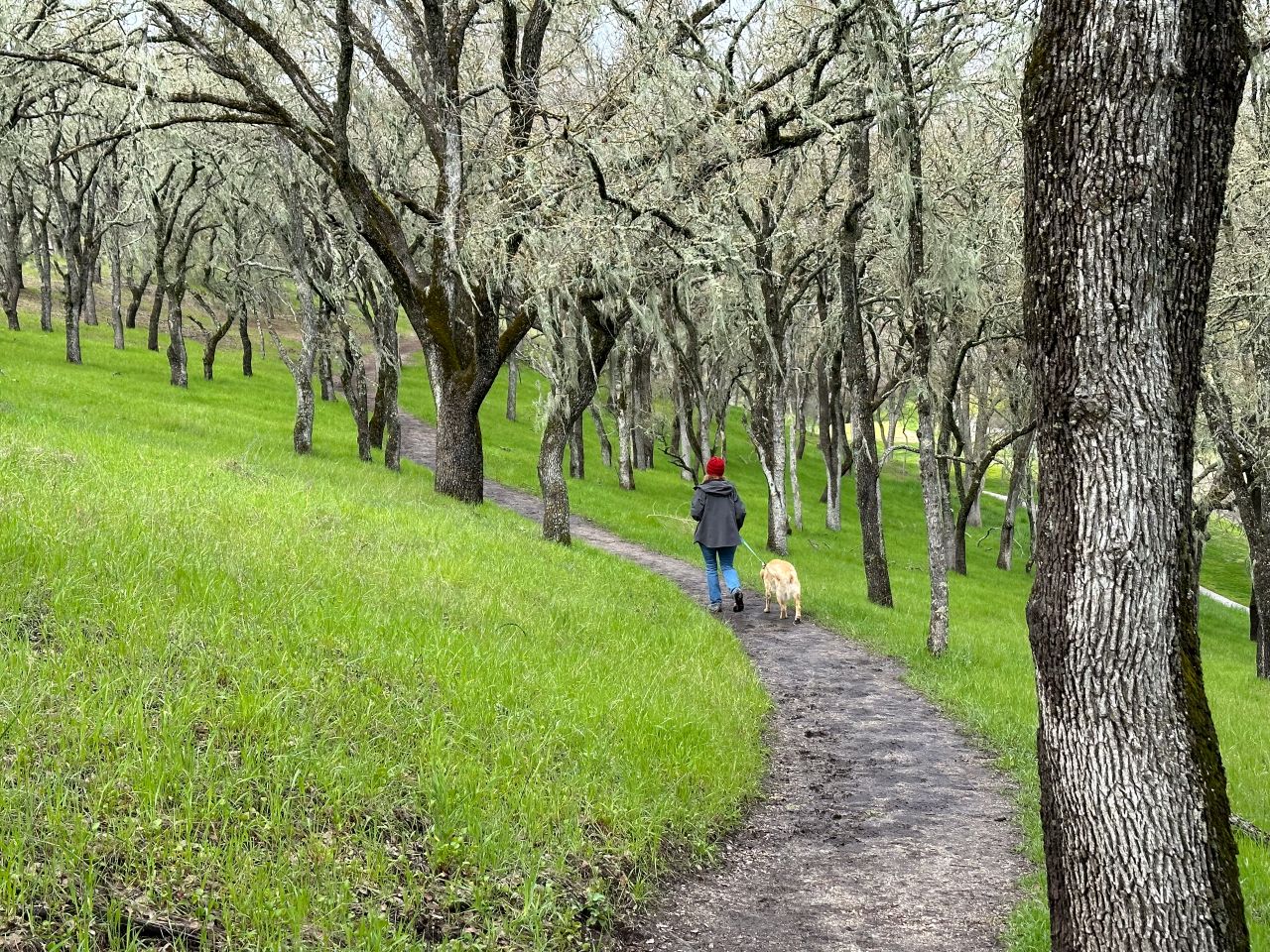
The path for a caregiver with a sensitive or traumatized dog is a maze of challenges and setbacks. It isn't easy to navigate, and the journey can be lonely and disheartening. To further complicate things, social norms around dog care have conditioned damaging beliefs. To put it another way, popular beliefs about reactive dogs offer the wrong tool to solve the wrong problem.
Practices that address the internal source of reactive behaviors are built on principles of knowing, understanding, and compassionate action.
Compassionate action and glimmers invite you to "stop and smell the flowers".
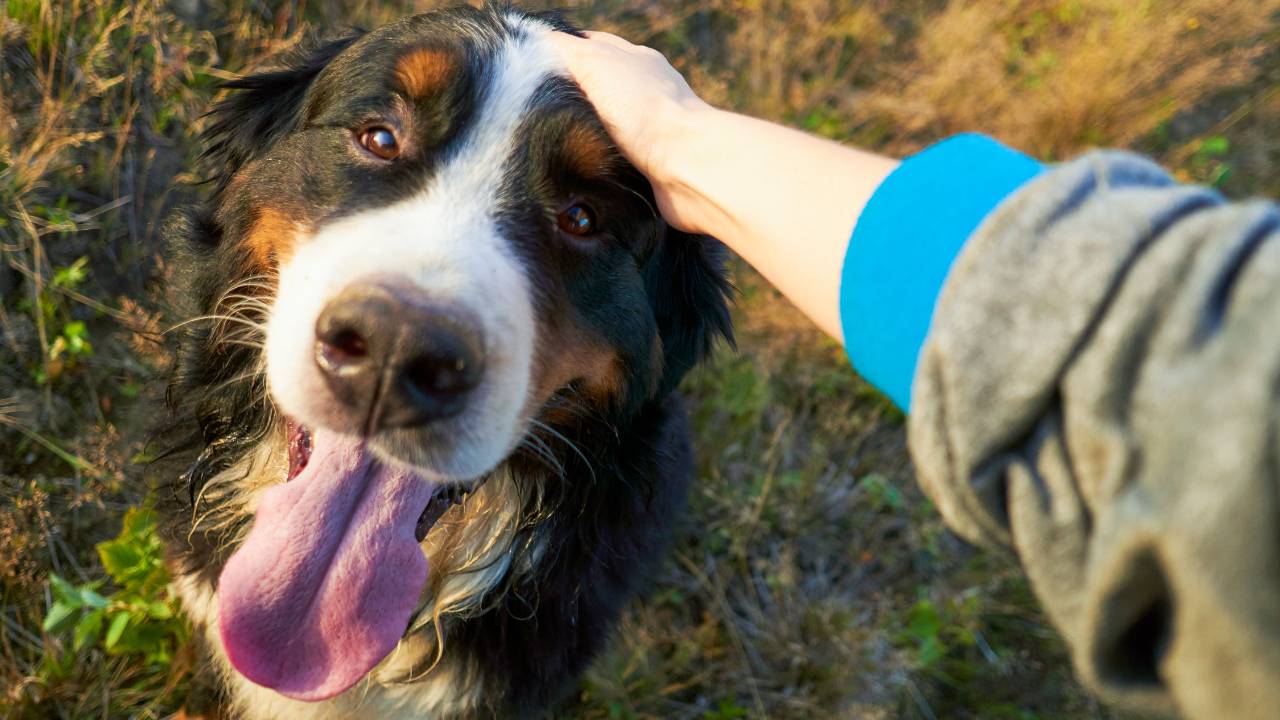
Glimmers are tiny gems, moments of beauty or joy that keep us grounded and thankful. Pausing and directing awareness to glimmers as they naturally occur is a powerful way to build understanding and trust in the relationship with a sensitive dog. Animals are keenly aware of tiny details in their environment, so acknowledging glimmers connects our energy to theirs.
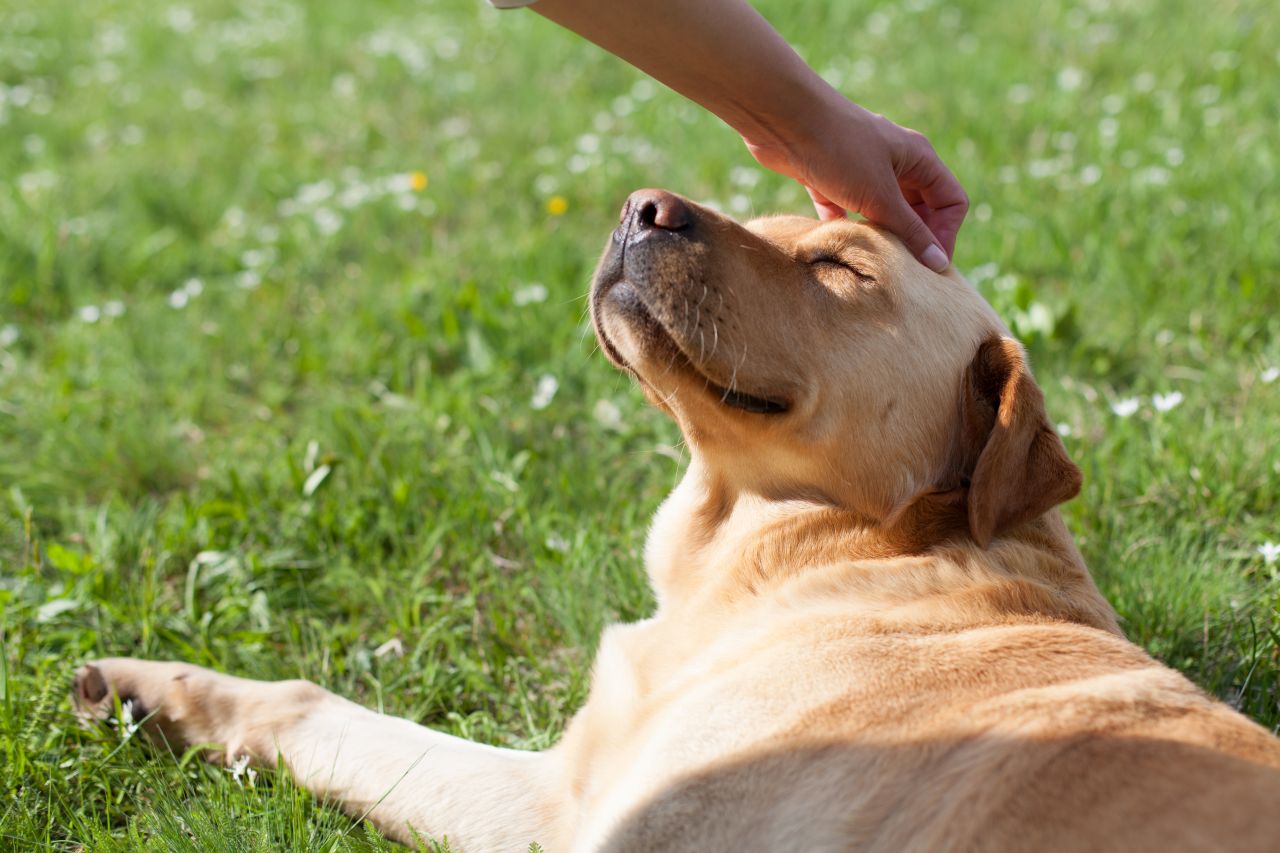
Voice affects a dog's sense of safety. The tone, rhythm, volume, speed, and intention of your voice are more meaningful to a dog than the words themselves. Dogs hear the intention before they process the words. Speak often to dogs, acknowledging even the smallest glimmers, such as affectionate moments, no matter how fleeting.
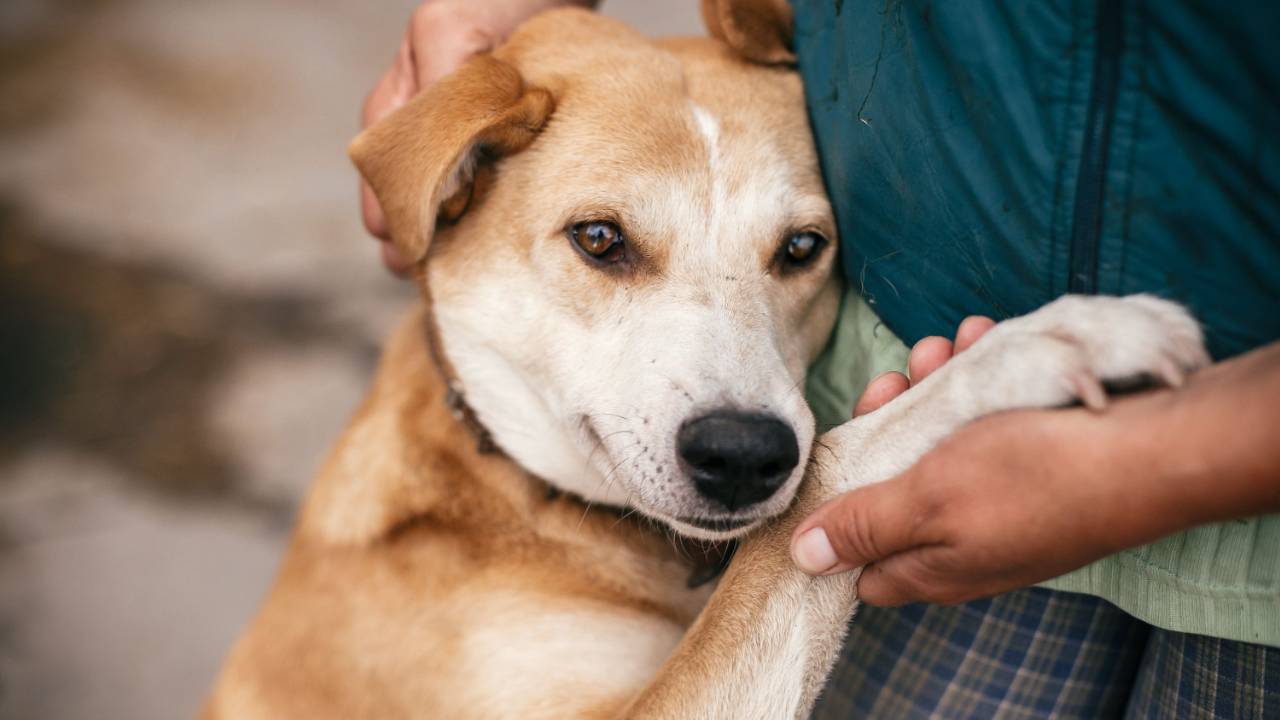
Facial expression and movement send strong signals between dogs and people. Dogs rarely misread humans, but unfortunately, humans frequently misread dogs. Eyes, head movement, mouth, and muscle tension convey to dogs either positive "I see you" or negative "I judge you."
Words carry positive or negative energy. Words that reflect authentic loving kindness build trust, self-esteem, and comfort for highly sensitive dogs. Words that imply that a dog's intrinsic worth is dependent on outside approval diminish self-esteem and undermine trust. Pressure to meet unclear expectations damages a sensitive dog's sense of security.
Frequently used words that can convey unintended negative energy:
➡️Why did you do that?
➡️Can't you just behave?
➡️Good job.
➡️Bad dog.
➡️Shame on you.
➡️No.
➡️Good choice.
➡️Come, sit, stay, down, etc.
➡️You're so stubborn.
Words that unlock cooperation without judgement:
🗝️What do you need?
🗝️I know that upsets you.
🗝️Do you want this instead of that?
🗝️I hear you.
🗝️Thanks for letting me know.
🗝️Thanks for saying no to things that scare you.
🗝️You are important to me.
🗝️I'm present for you.
Collaboration instead of control. Caring for a sensitive dog doesn't require "fixing" a problem. It's a mutually cooperative process, a dialogue between complex individuals traveling a path to the same destination.
Dogs are brilliant at this; we need to catch up.


Responses