For the backstory about this dog-dog conflict, you can listen to the March audio first.
Like most incidents involving dogs fighting with each other, it seemed to happen suddenly. But that's only because I missed the red flags.
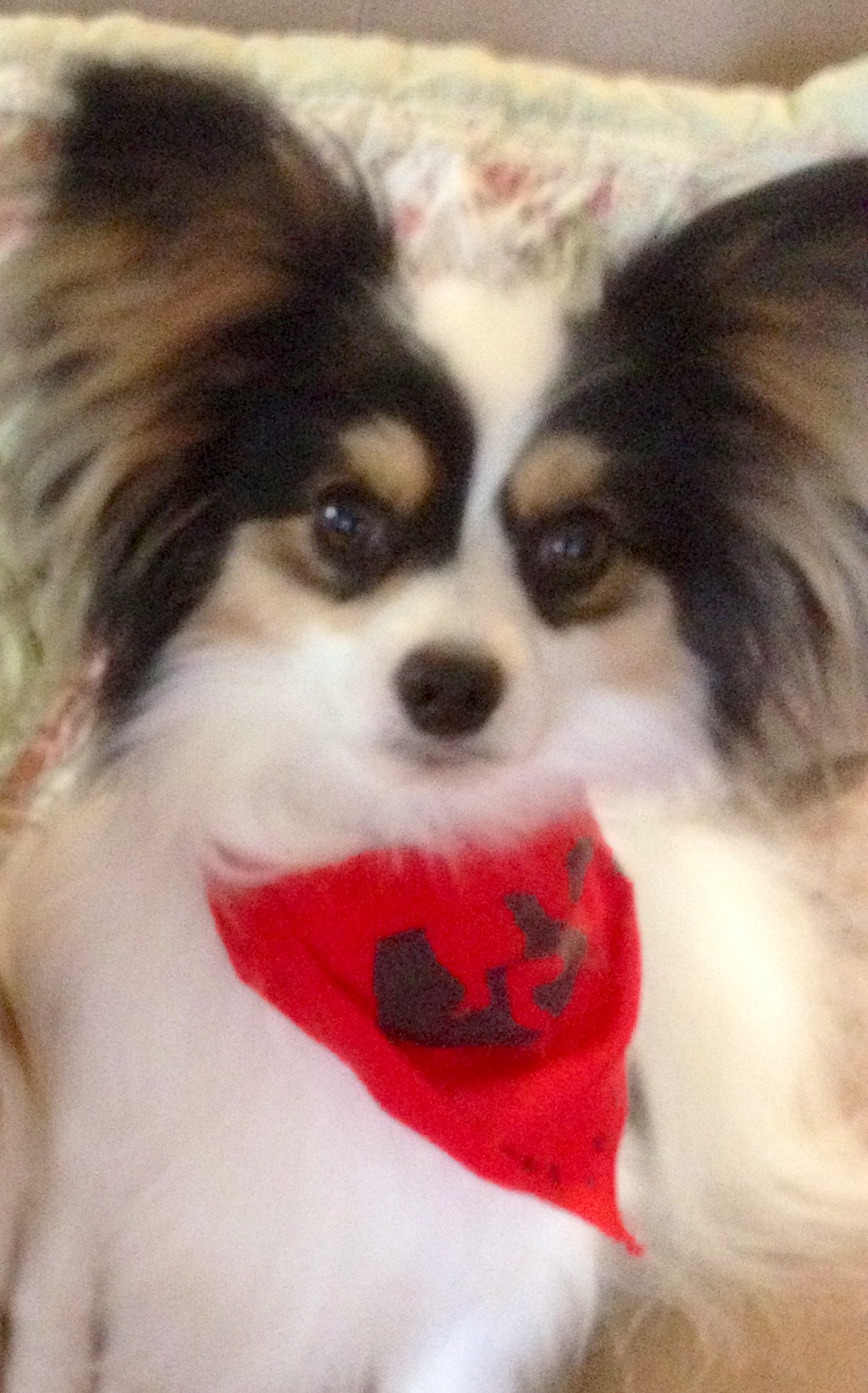
Chance, my 13-year-old 12-pound Papillon, is a people-loving former therapy dog and a happy soul who takes life in stride.
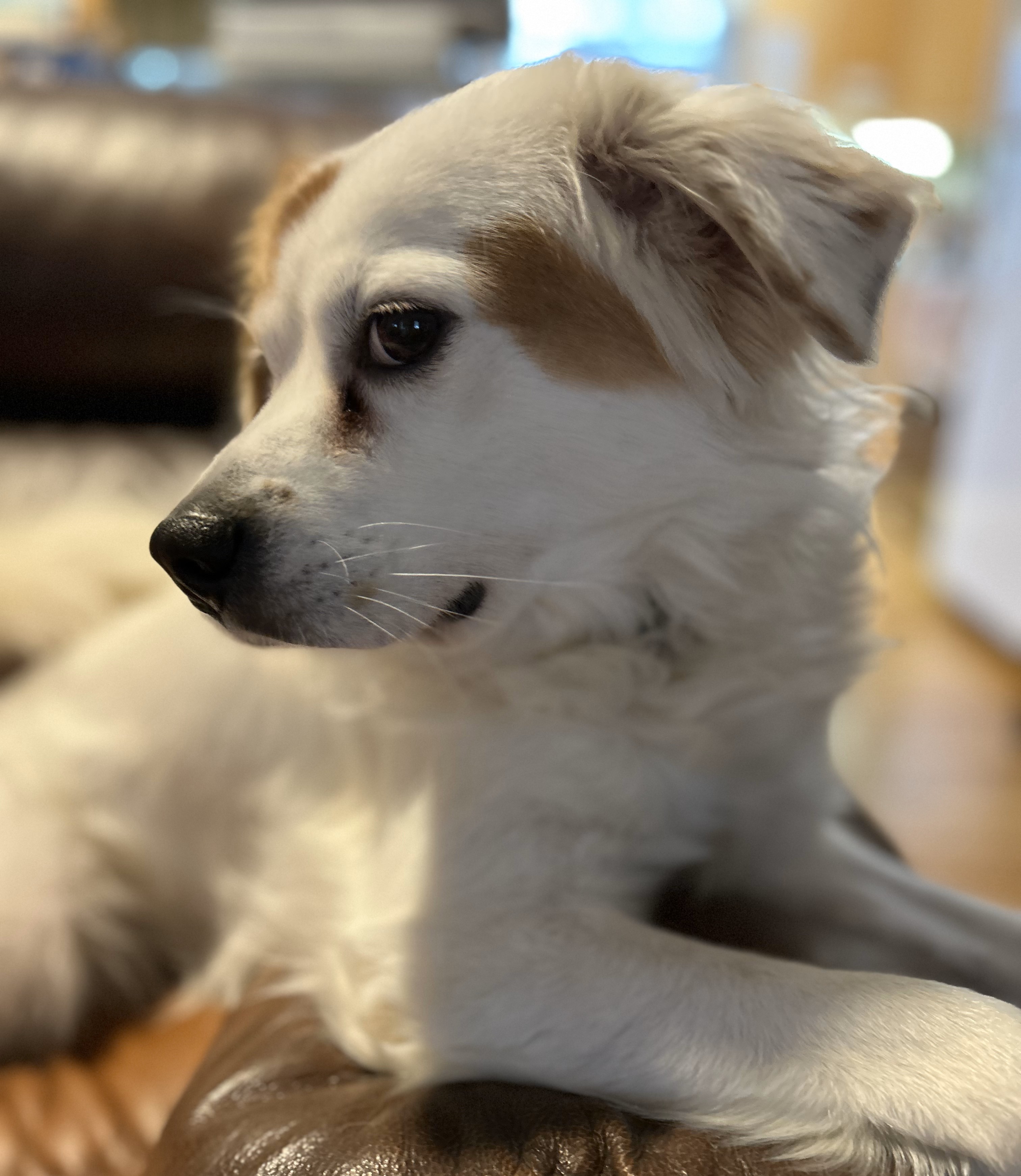
Radar, my 5-year-old medium-sized mixed breed who was raised during the lockdown, is a relaxed and affectionate guy most of the time, but he can also be possessive and suspicious. And, most significantly, jealous.
This is what happened: Radar took a chewy that Chance was holding and bit Chance on the inside of his mouth. The physical injury is healing well, but the emotional trauma will stay with Chance for the rest of his life. And I can't rule out a different kind of trauma for Radar as well.
Considering the natures of the two dogs, it's not surprising that a confrontation eventually took place. And, yes, better management could have prevented it.
This is the management plan:
For two or three days after the incident, Chance was withdrawn and fearful. The antibiotic and pain medication helped him rest, but he still needed to reclaim his felt sense of safety. I needed a plan that would meet the needs of both dogs. They both need to feel safe, loved, and content in their physical surroundings. At the same time, Chance and Radar can never again be together in the same room, no exceptions.
Chance now needs to be with me constantly. He was never clingy, so this change in his behavior is a clear signal that he's struggling emotionally.
Radar is used to receiving a lot of attention, so maintaining that consistently is important for his emotional well-being. It's critical that both dogs have the space to be themselves and rest comfortably without interference.
Chance stays with me except during the night and when I'm out. At those times, he's in a secure 4X4 pen. Throughout the day, he naps on the blankets under my desk and follows close at my heels wherever I go. He's OK with that arrangement.
Radar has returned to the space he loved as a puppy. His room has a gate that lets him watch indoor activity when he wants to, windows so he can keep track of outdoor activity, and comfy places to snuggle and snooze. He seems to enjoy having space all to himself where he still gets plenty of attention.
So far, it's been a win-win result; however, a good management plan is flexible. My role is to observe and practice "upstream thinking", an approach that involves preventing unpleasant outcomes before they arrive "downstream". To put it another way, don't wait for red flags to appear; do something first so that red flags are unnecessary!
My management plan is specific to my circumstances; yours must be specific to your circumstances. Is "more training" a solution for my situation? Some may ask how to train the dogs so they will never repeat their actions toward each other. That, in my judgement, is the wrong question because it reflects "downstream thinking," which is always too little and too late.

Responses