The role of consent in raising a dog is often explained in dog training books, videos, and obedience classes as if it were one-directional. To earn the "good dog" label, a dog has to act with their human's consent, obey their human's commands, and do what their humans expect. The assumption is that humans are the superior species and therefore entitled to exclusive rights when it comes to making choices on the dog's behalf. The dog, on the other hand, never gets to express preferences, give consent, or withhold consent.
In her book, Constructing Canine Consent, Erin Jones calls this myth "human exceptionalism". Remember, dogs have successfully collaborated with humans for hundreds of thousands of years. Yet, it's only been for the past 60 to 80 years that the misguided belief that "training" equals "control" has infected the human-canine relationship. The result is a massive increase in stress responses from dogs which we humans call "behavior problems".
Working beside caregivers of dogs labeled as reactive or having behavior problems, I've observed the power of shared consent between dogs and humans. Acknowledging the dog's preferences and needs builds trust. Dogs communicate continuously and when their needs are dismissed, misunderstood, or ignored, they ask again and yhey ask louder. Instead of meeting the dog's needs, humans have been persuaded to punish dogs for asking.
The results of "human exceptionalism" are miscommunication, loss of trust, and disconnection. It's not a dog problem; it's a human knowledge gap.
When compassionate caregivers set ego and assumptions aside, open themselves to learning, and let go of resistance, they connect with their dogs in a new and deeper way.
"What you resist, persists." Helping sensitive, traumatized, or distressed dogs in a meaningful way doesn't start with training behaviors and "commands". If we recognize that the behavior we see is caused by an unseen, unmet physical, emotional, or social need, then the success path is clear. Address the problem behavior at its root with intentional, trauma-informed practices.
The dog's consent plays a critical role. A sensitive dog can learn resilience provided learning takes place in a low-stimulation environment where the dog feels safe and free to progress gradually. Some dogs need time to discover that their preferences and choices will be respected.
Dogs must experience agency, the power to control what happens to them, so they can feel safe and free to express their truth. Lacking a felt sense of safety, dogs are unable to learn.
What can you do for the dogs in your life?
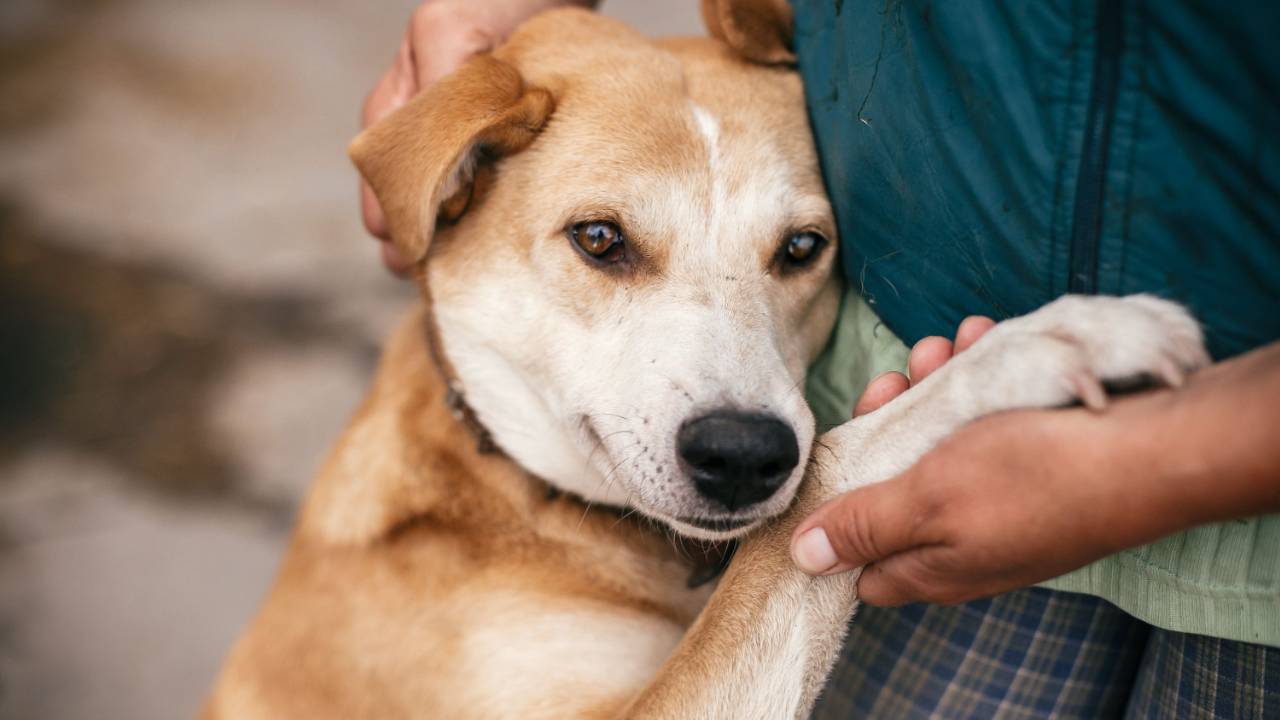
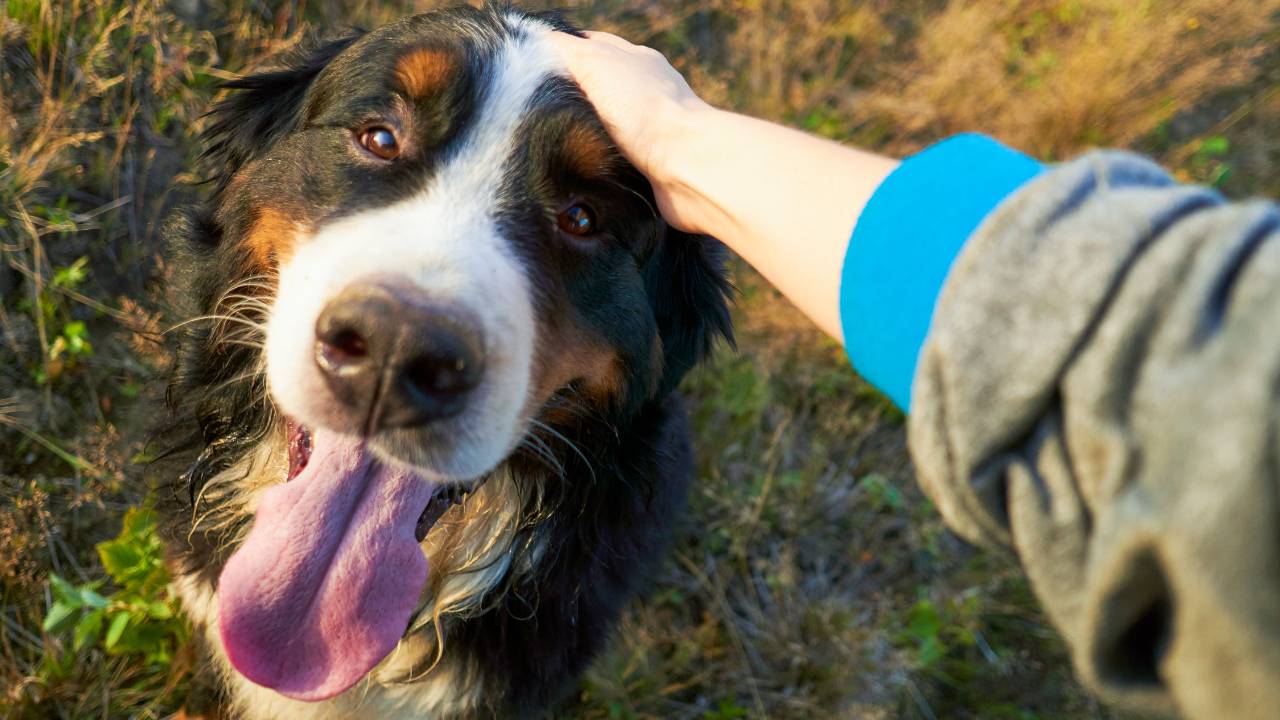
The first thing I strongly urge is for you to recognize that ALL dogs experience emotions, so it follows that all dogs are sensitive in their uniqueness. Observe subtle communication. Dogs "speak" with their entire bodies so notice details of movement that reveal a mood or feeling. Does the dog want more or less of what is happening? More or less petting? More or less play? Does the dog feel relaxed or tense? Does the dog want to go toward or away from a person? When you recognize a preference, honor it without judgment. If you're unsure what your dog wants, it's a safer bet to assume the dog has not consented to petting, play, etc. If you're right, you build trust, but if you're wrong there's no harm done. The dog will keep asking.
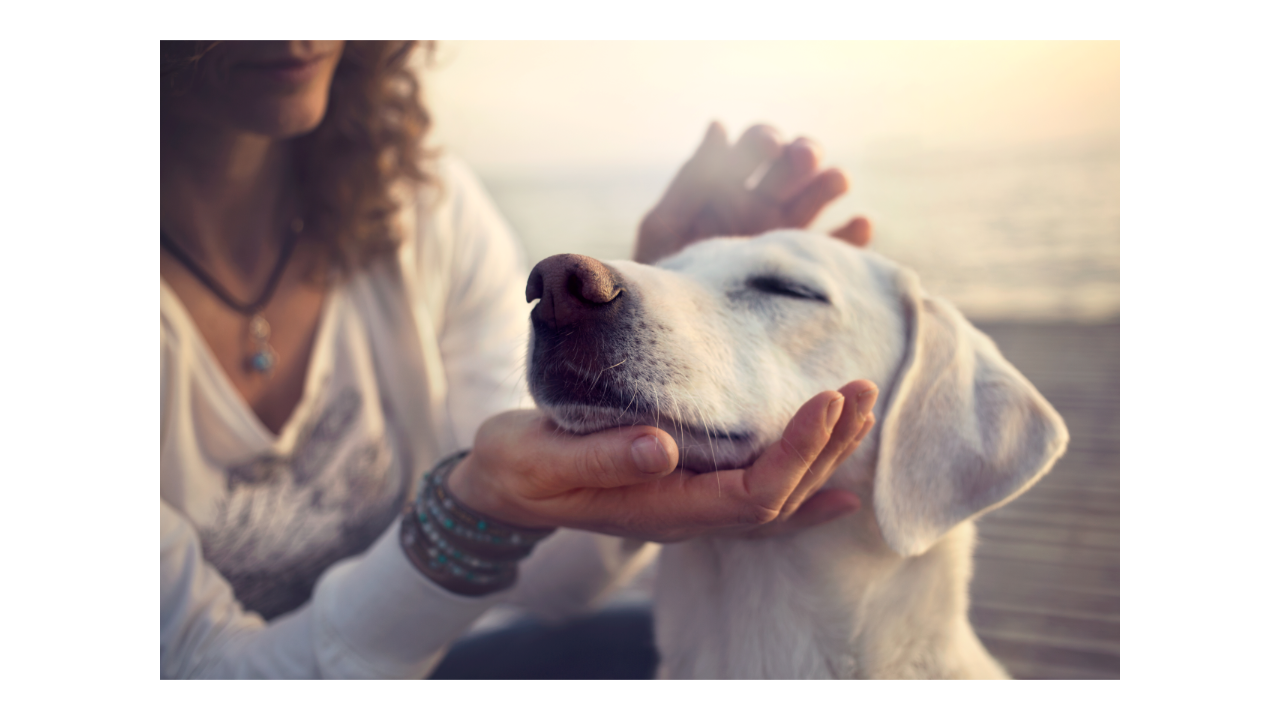
Science provides ample evidence of the critical importance of consent for a happy and fulfilled life. But don't we already know that?
I don't need science to tell me I should be kind and compassionate and that doing so builds trust and that trust is built by clear communication and that trust reduces the potential of my dog feeling as though she needs to protect herself from my ignorance. Erin Jones, Constructing Canine Consent, 26
The video in this month's newsletter is a tutorial on Canine Body Language. Learning any new language takes time and practice.
Watch the body language video tutorial:

Responses