
Research shows the existence of seven primary emotional systems in the brains of all mammals. Neuroscientist Jaak Panksepp described the seven distinct systems that reside in different areas of the most ancient parts of the brain. The emotions are innate, not learned.
Three of the systems are negative: RAGE, FEAR, and GRIEF. The four remaining systems are positive: SEEKING, PLAY, LUST, and CARE.
The SEEKING System
SEEKING is highly rewarding and characterized by expectancy and anticipation. The reward is in the seeking behavior itself rather than in the outcome. Once the object of the search is found, the rewards of SEEKING end, and the animal shifts into a different emotional system, such as play.
For dogs, SEEKING involves sensory activation: sniffing, listening, looking, tasting, and touching. They are fully engaged, focused, and present. SEEKING causes awareness and connection to the environment and helps dogs regulate their responses to a wide range of stimuli. They develop curiosity and greater coping capacity.
Dopamine production creates increased motivation and desire to search. The behavior reflects the urgency of searching for resources necessary for survival and isn't limited to food.
The PLAY System
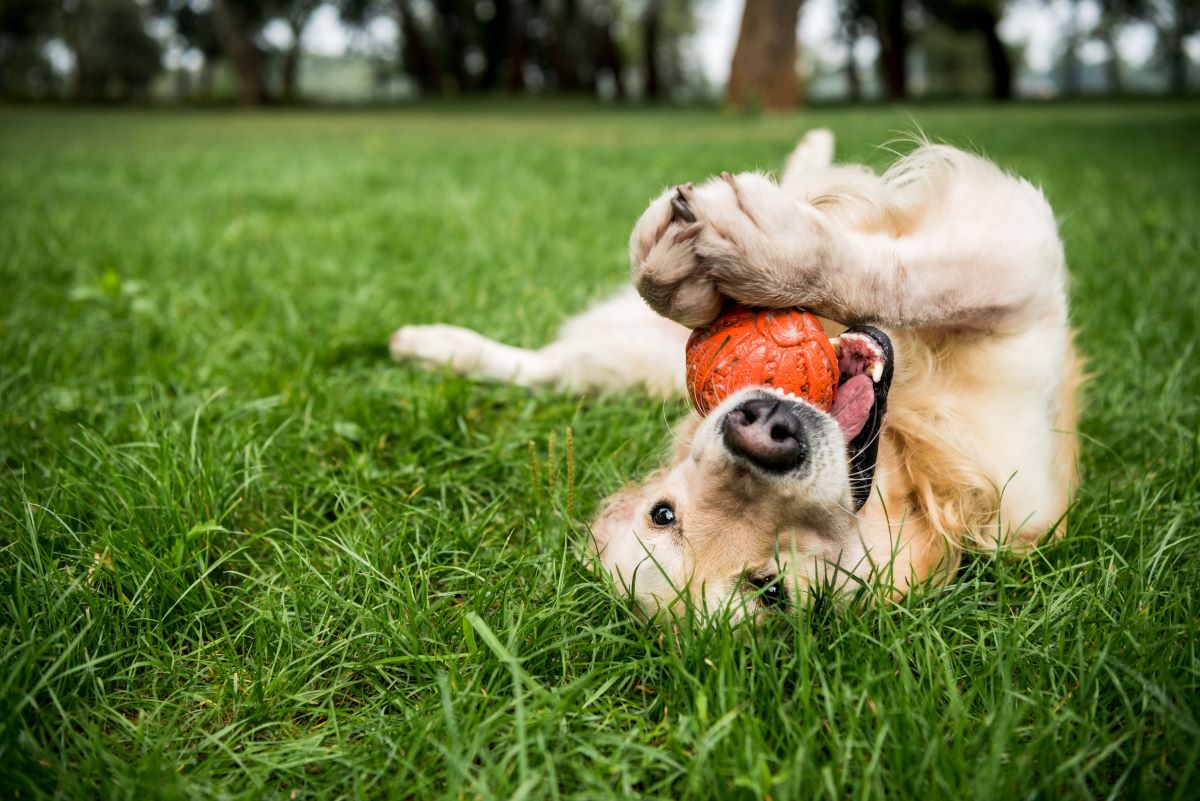
PLAY is crucial to an animal's welfare and physical and emotional health. Puppies are born knowing how to play, and experiencing play with other puppies contributes to brain development, normal relationships, a strengthened immune system, and social intelligence.
Puppies learn during play with other dogs or puppies how to recognize social cues and respond appropriately in social situations. They learn how to handle the unexpected and deal with novelty.
There's evidence that animals recognize humor and experience the joy of having fun. The body contact during rough and tumble play releases endorphins that cause an intensely pleasurable connection with playmates.
It's a mistake to suppress rough and tumble play and view it as "dangerous", aggressive, or naughty. It's a healthy and highly beneficial activity that comes naturally to dogs.
Playing structured games, playing with objects (toys), or playing with people does not replace rough play with other dogs.
PLAY does not co-exist with SEEKING. They are separate systems in the brain and originate from different brain locations. They have different characteristics and motivations.
Other Emotional Systems
Panksepp described a total of seven systems. Next time, we'll take a closer look at how the CARE and GRIEF systems overlap and interact with each other.



Responses