I'm so excited that you are here and sharing this very special space with a community of passionate and dedicated dog parents. You are in the right place! Welcome, Insider!
Let's start with the relation between behavior (what we see) and emotion (what the dog is experiencing internally).
When you change emotions behavior changes.
When we care for sensitive dogs it's critical to keep in mind that their behavior is an outward expression of an inner emotional state. Attempting to change behavior without first addressing the root cause doesn't result in long-term inprovement. The dog may perform specific tasks but compliance is external and suppresses the internal cause. Suppressed emotions get stronger.
Let's take a closer look at why this happens.
The nervous system's priority is keeping the individual safe. All of us, canine and human, have a powerful instinct to survive and thrive that lives in the most primitive part of the brain. Self-preservation is automatic; it bypasses the thinking and deciding part of the brain. When survival is at stake, there's no time to think it over...when the brain sees danger it signals the body to mobilize immediately. Fight or flight. Defeat the threat or escape it.
But what if the threat is too powerful for the individual to fight, and what if there's no safe way to escape? Survival Plan B is "fawn, freeze, or faint". This is appeasement and freeze and it looks like the dog is submitting. However, the dog is declaring himself to be no threat. In extreme situations a dog in survival mode will disassociate and shut down, often collapsing.
However, as responsive dog parents, we all have the power to prevent extremely traumatizing experiences for our dogs. In our role as advocates, we are responsible to:
- be certain that there is a safe exit from any potentially traumatic situation
- be certain that the dog knows he is free to use the safe exit at any time
Your trauma-informed action step is to guarantee a safe exit and show your dog that he is free to escape. Protect your dog from fight, flight, freeze, and faint.
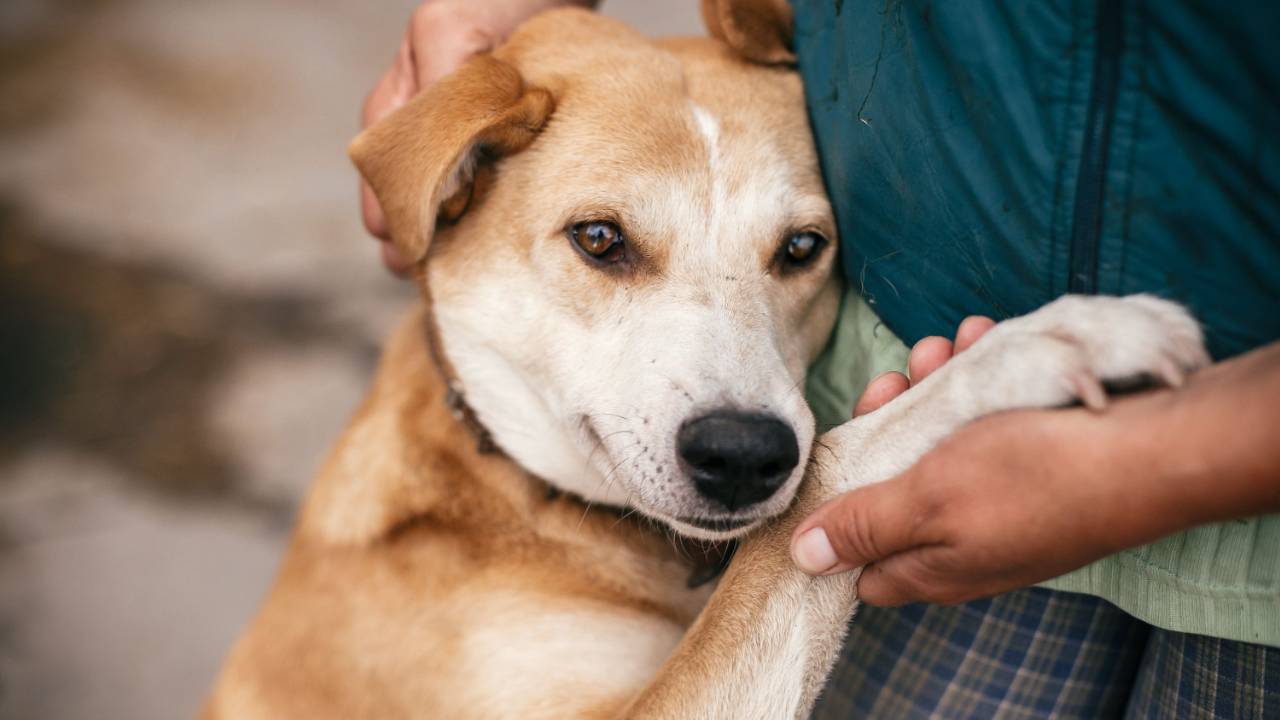
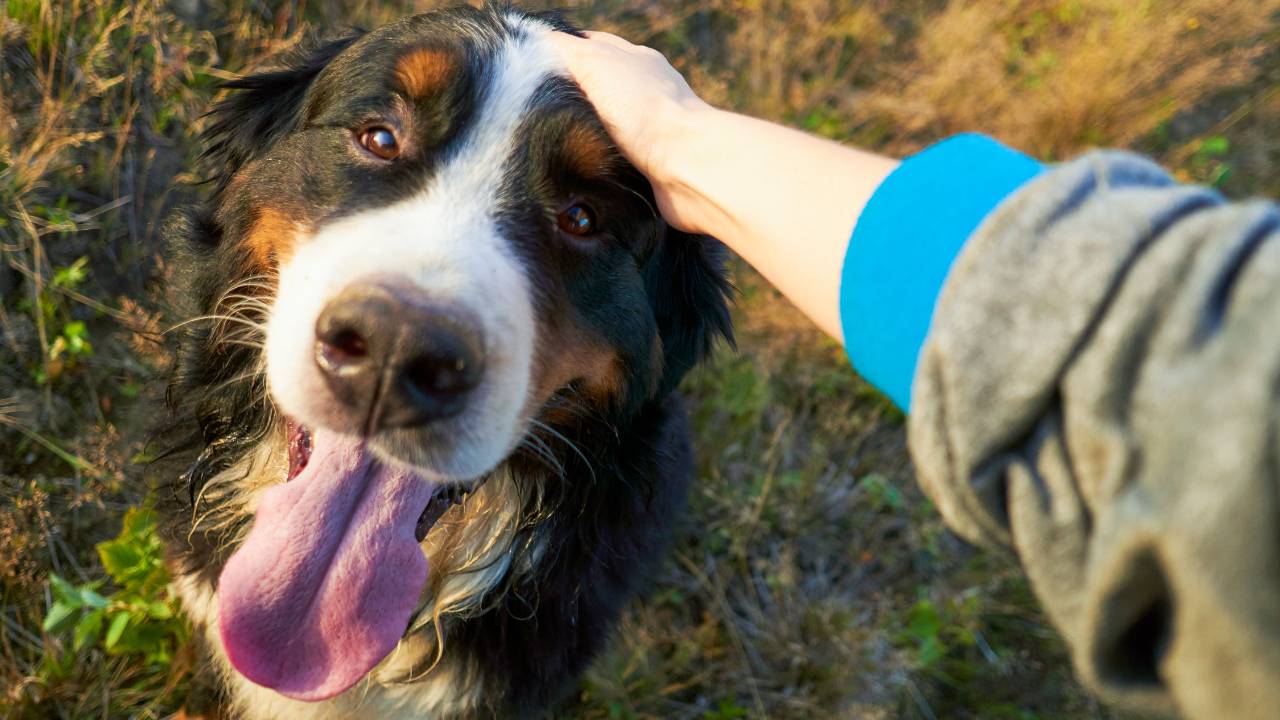
At first, your dog may not understand that he has the choice to exit. As your dog's advocate, your job is to show him how to choose to exit. Start with small choices such as consent petting and supporting your dog's agency with encouragement when he says "no" to something you have asked him to do. Yes, it's contrary to what the task-oriented culture has conditioned you to believe. But ask yourself if that controlling approach has helped your dog become more regulated and resilient.
A trauma-informed approach is kind, compassionate, and the most effective way to bring your dog relief from anxiety and distress.
Remember! When you change emotions, behavior changes.


Responses